
Farms & agriculture

Lower electricity costs, enhanced security of supply.

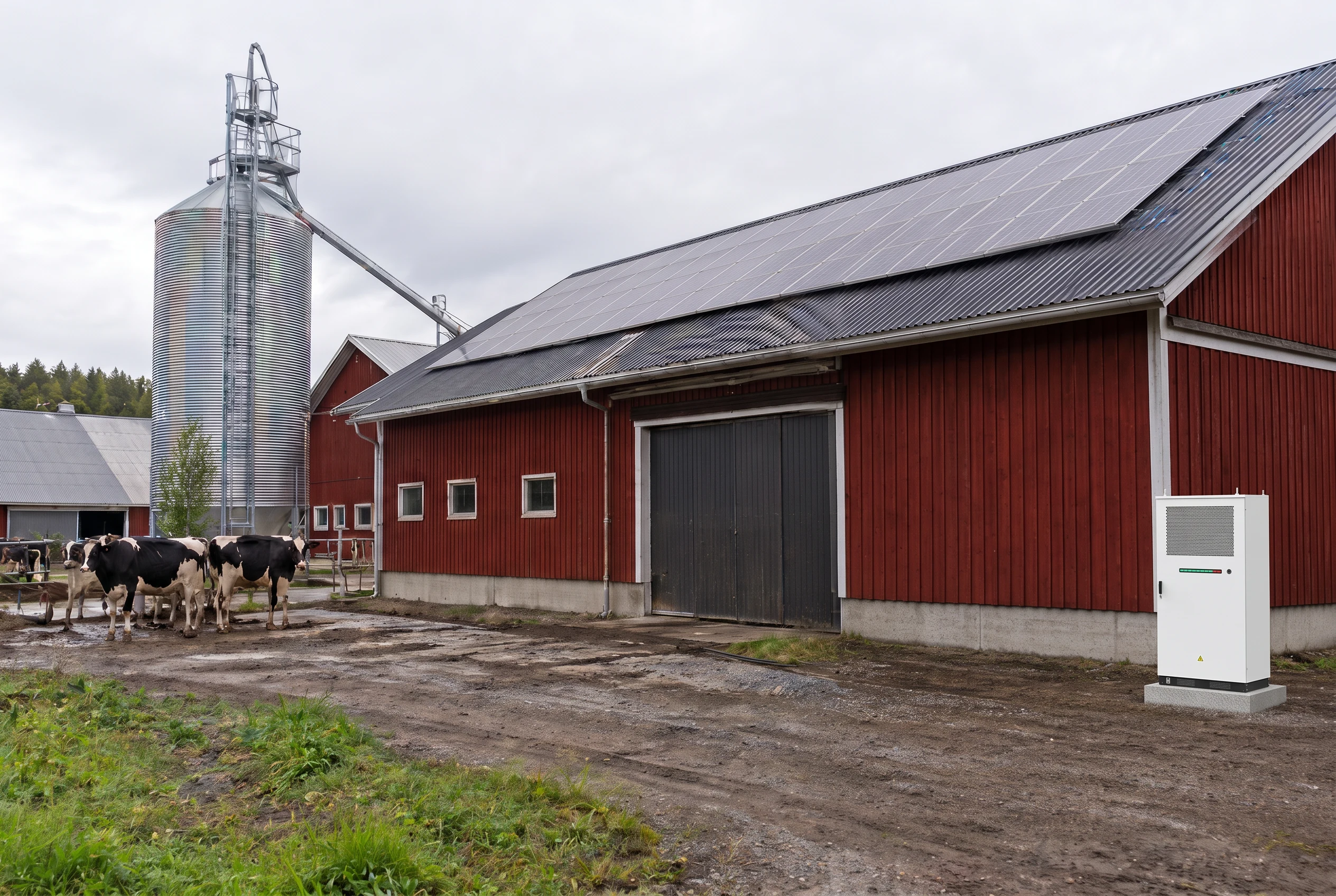
A farm's electricity consumption fluctuates heavily with milking robots, grain dryers, ventilation, cooling, and irrigation. A custom-designed battery system shaves consumption and peak demand, makes efficient use of on-site electricity generation, and protects critical operations during power cuts. The liquid-cooled battery system operates reliably year-round, and readiness for flexibility and reserve markets generates revenue on top of other farm operations.

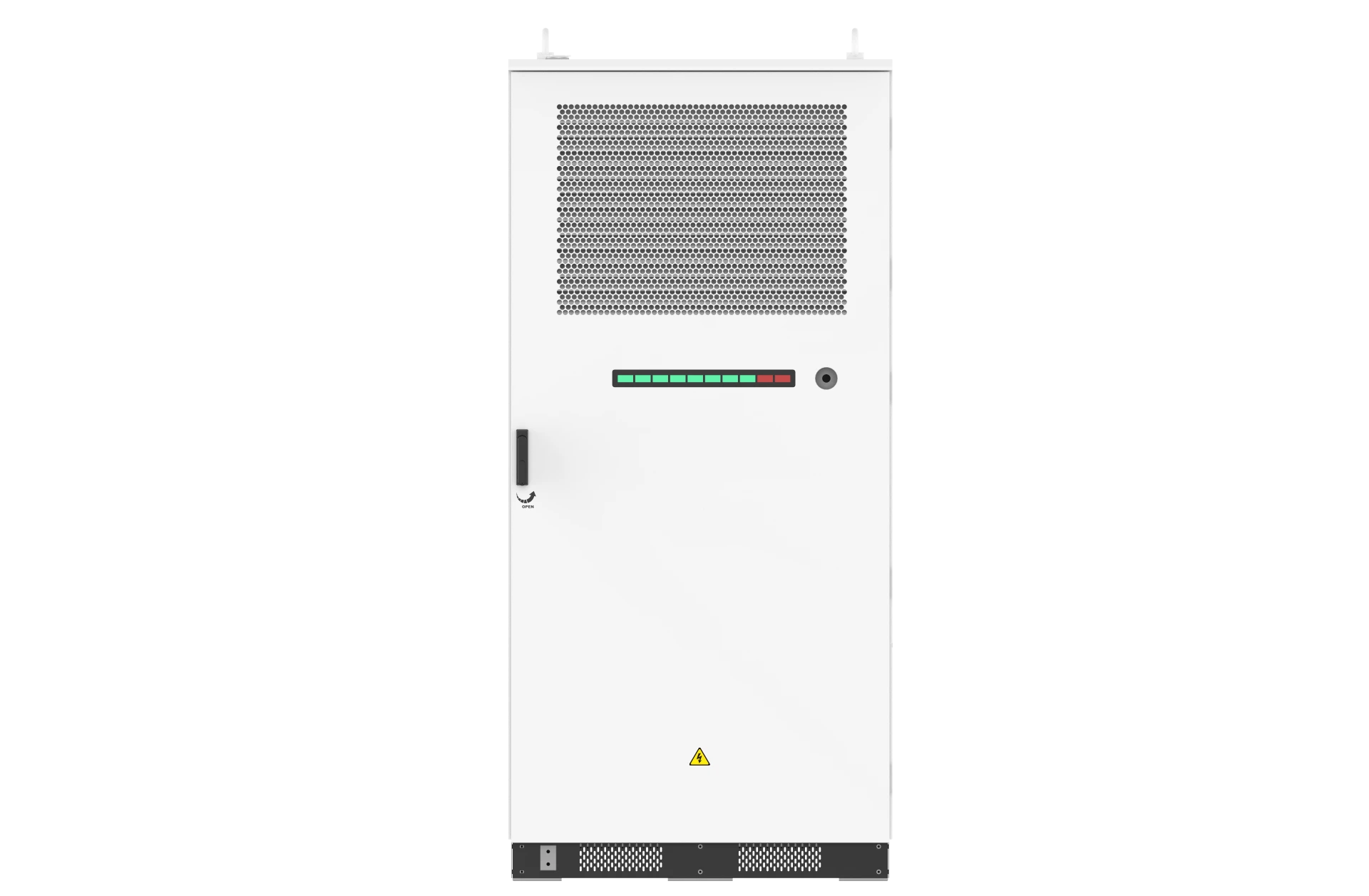
Emaldo PL-EL-100/209 energiavarasto

Three reasons

Why energy storage pays off

Lower electricity costs

A tailored C&I energy storage system shaves expensive consumption and peak loads while reducing power tariffs – lowering electricity bills and improving cost predictability.

Security of supply in all situations

Milking, feeding, ventilation, and cooling systems keep running during power cuts – production never grinds to a halt.

Self-generated electricity and fleet charging

The EM-H125 combines a 125 kW / 261 kWh battery storage system with a 100 kW solar inverter. The EM-C240 provides 60–240 kW fast charging for vehicles and machinery.

Typical applications

  • Dairy and cattle farms
  • Pig and poultry farms
  • Grain dryers and greenhouses
  • Cold storage and freezer facilities
  • Biogas plants and machinery contracting
  • Farms equipped with solar power

Solutions for this site

  • Emaldo Business integrated battery solutions

  • Emaldo EM-H125 for farm energy storage

    125 kW / 261 kWh battery and 100 kW solar inverter: shave peaks, store your own generation, and secure continuity of supply.

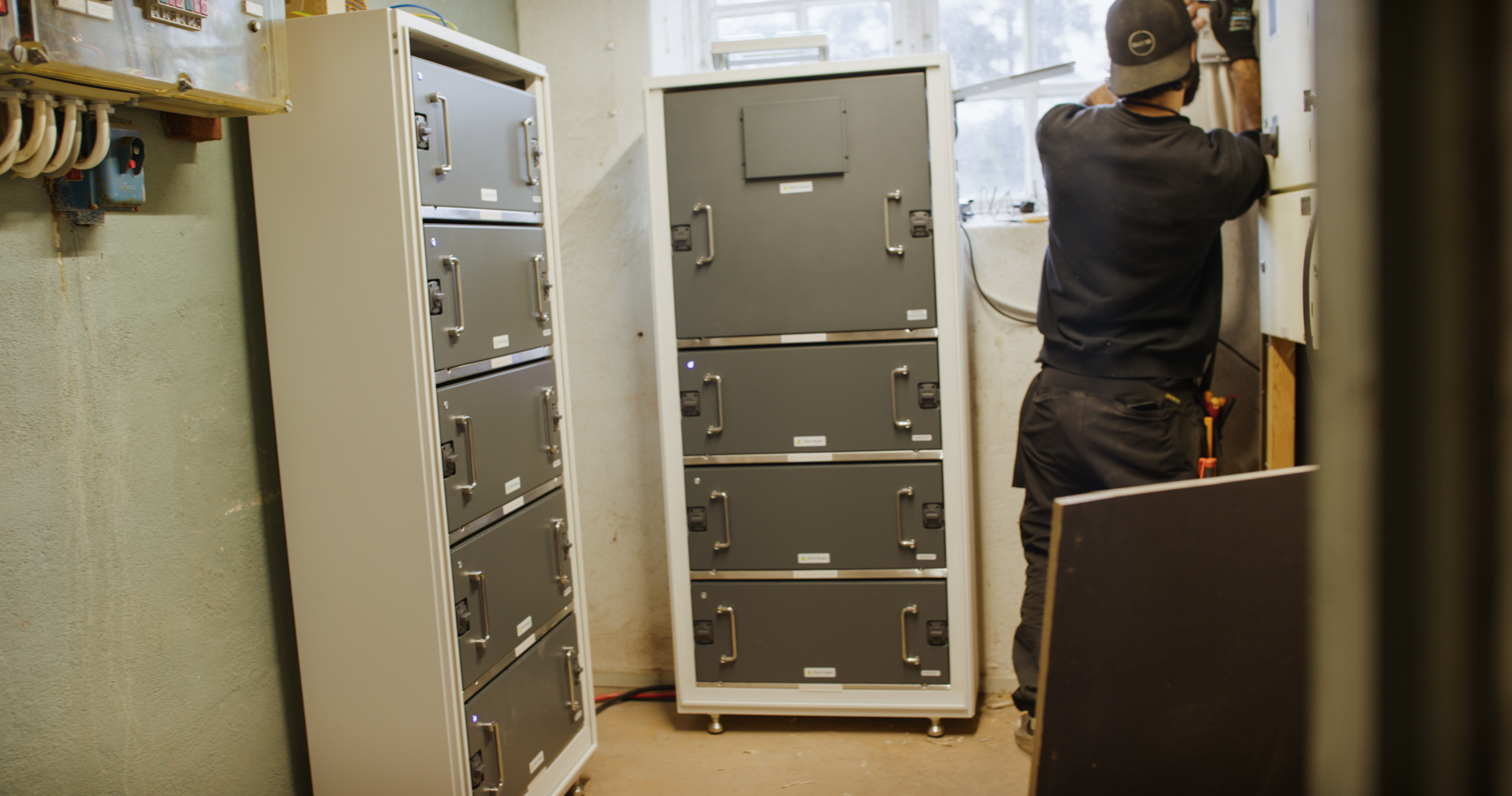
Installed Emaldo battery system
Wattin asentajat asentamassa Emaldo-energiavarastoa

The basics

What does an agricultural energy storage system do?

A farm battery storage system balances electricity consumption for grain dryers, milking robots, ventilation, cooling, and irrigation. It can store solar power, shave peak loads, and support designated critical loads during a power cut. Unused capacity can also be leveraged in the reserve markets, subject to site conditions.

Most common agricultural applications

  • Seasonal peak loads from grain dryers and the sufficiency of the grid connection
  • Operational reliability of milking robots, feeding systems, ventilation, and milk cooling
  • Fluctuating loads from greenhouses, irrigation, cold storage, and biogas plants
  • Shifting solar PV surplus for evening and night-time consumption
  • Charging electric machinery and vehicle fleets within the farm's existing grid connection

Sizing

What information is needed for sizing a farm system?

Annual consumption alone does not reflect a farm's electricity requirements. Sizing distinguishes between baseload, short peak loads, seasonal variation, and equipment that must be secured during power cuts.

  1. 1At least 15-minute consumption data, preferably for a full year
  2. 2Power ratings for grain dryers, milking, cooling, ventilation, and other major loads
  3. 3Electricity connection, grid tariff, and actual monthly peaks
  4. 4Solar PV system size, generation data, and surplus sold to the grid
  5. 5Loads to be protected with backup power and the required runtime

Backup power is designed separately

A standard grid-tied battery does not automatically power a farm during a power cut. Backup power requires dedicated circuitry suited to the site's electrical system, proper protection, and isolation of critical loads. Any applicable agricultural subsidies should always be checked from up-to-date official or advisory sources before procurement.

Frequently asked questions

Questions about energy storage

Can a battery balance peak loads from a grain dryer?

Yes, provided the battery's discharge power and usable capacity are sized to the grain dryer's load profile. Savings depend on the grid company's demand tariff and the duration of the peaks.

Does a farm battery work during a power cut?

Only if designed for backup power use. Critical loads, changeover switching, protections, and the targeted runtime are determined prior to implementation.

Can solar power on a farm be stored?

Yes. The battery can store generation that is not consumed at the time of production and discharge it later. Sizing is based on concurrent generation and consumption data.

Can a farm participate in reserve markets?

A technically compliant battery can participate in reserve markets via an independent reserve provider or aggregator. Suitability, usable capacity, and revenue are assessed site by site.

Sources and updates

Content reviewed 8.10.2026. Market terms, tariffs and technical suitability are always checked for each site.

Savings calculator

Size your energy storage system to suit your site

Estimated demand charge savings, price arbitrage and payback period. Prices VAT 0 %.

1.Sector

Morning and evening peaks every day

06121823

Peak-day load · battery shaves peaks during highlighted hours

Veroluokka 2 vain ammattimaiselle kasvihuoneviljelylle

2.Distribution network operator

Source: Caruna Oy hinnasto, voimassa 01.09.2024.

3.Site
4.Spot prices
Reserve markets

Fixed lease income: capacity is leased to the grid operator at a fixed rate.

Estimated annual benefit · VAT 0 %

10 885 €/v

We recommend: Emaldo PL-EL-100/209 · 100 kW / 209 kWh

  • Huipunleikkaus (tehomaksu)−32,6 kW1 397 €
  • Price arbitrage (energy)2 357 €
  • Transmission + tax, including efficiency losses−369 €
  • Reservimarkkinat (Floor/Market/Tolling)7 500 €

Assumption: 250 cycles/year, discharge period 2 h, peak 111 kW, data: Esimerkkidata: FI-aluehinnat 10/2025–9/2026.

Request precise sizing

Sources: Caruna Oy price list 1.9.2024; Caruna Espoo 1.1.2026; Elenia large customer price list 1.4.2026 (product names inferred from the PDF, check the source); electricity tax from Elenia's 1.4.2026 price list. Helen Sähköverkko's business price list has not been verified: use 'Custom tariff'. Spot data: Nord Pool FI area prices (Elering, valitsesahko.fi), monthly average prices 10/2025–9/2026 and hourly profiles for January, April and July 2026 and October 2025, excluding VAT. Profiles for other months are derived from the nearest seasonal profile, so day-to-day variation is missing and the arbitrage estimate is a conservative lower bound. Prices are historical, not forecasts. Industry profiles are approximations, not measured data; actual peaks are often sharper. Reserve market revenues: Floor 55 000 €/MW/year and Tolling 75 000 €/MW/year (Watti, 8.10.2026), Market estimate varies (benchmark Clean Horizon Battery Index 2h). The model excludes load control, electricity storage tariffs offered by distribution network operators and financing costs. All prices VAT 0 %.

Case studies

Similar sites

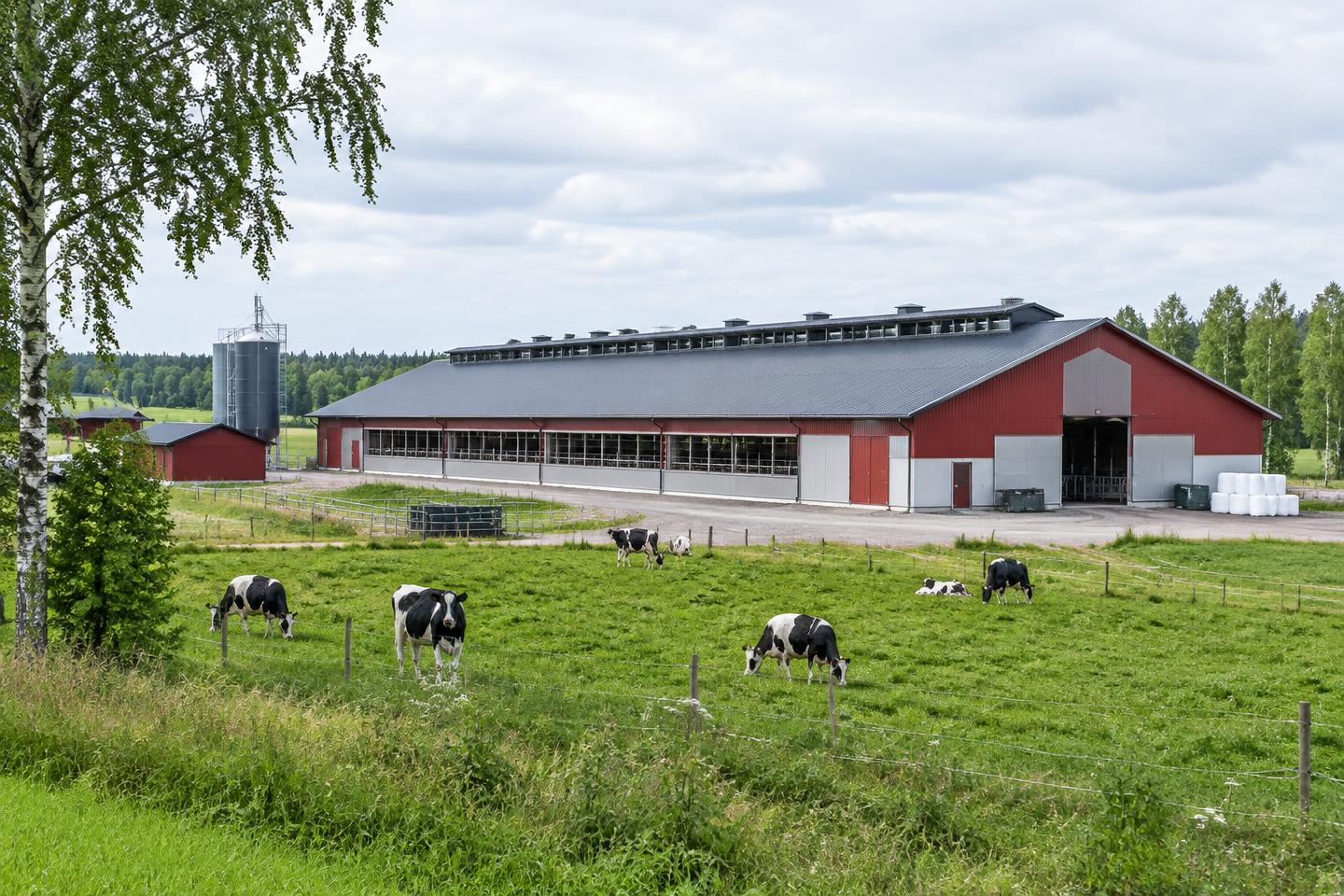
Visualisation of a Finnish dairy farm and barnIllustrative image
Farms & agriculture

Dairy farm, 120 cows

Seinäjoki

51 kWh energy storage system, robotic milking barn and grain dryer

Peak power demand during the drying season was shaved with the battery, and the farm participates in reserve markets via Checkwatt.

Saves 9 400 €/year + reserve market revenue
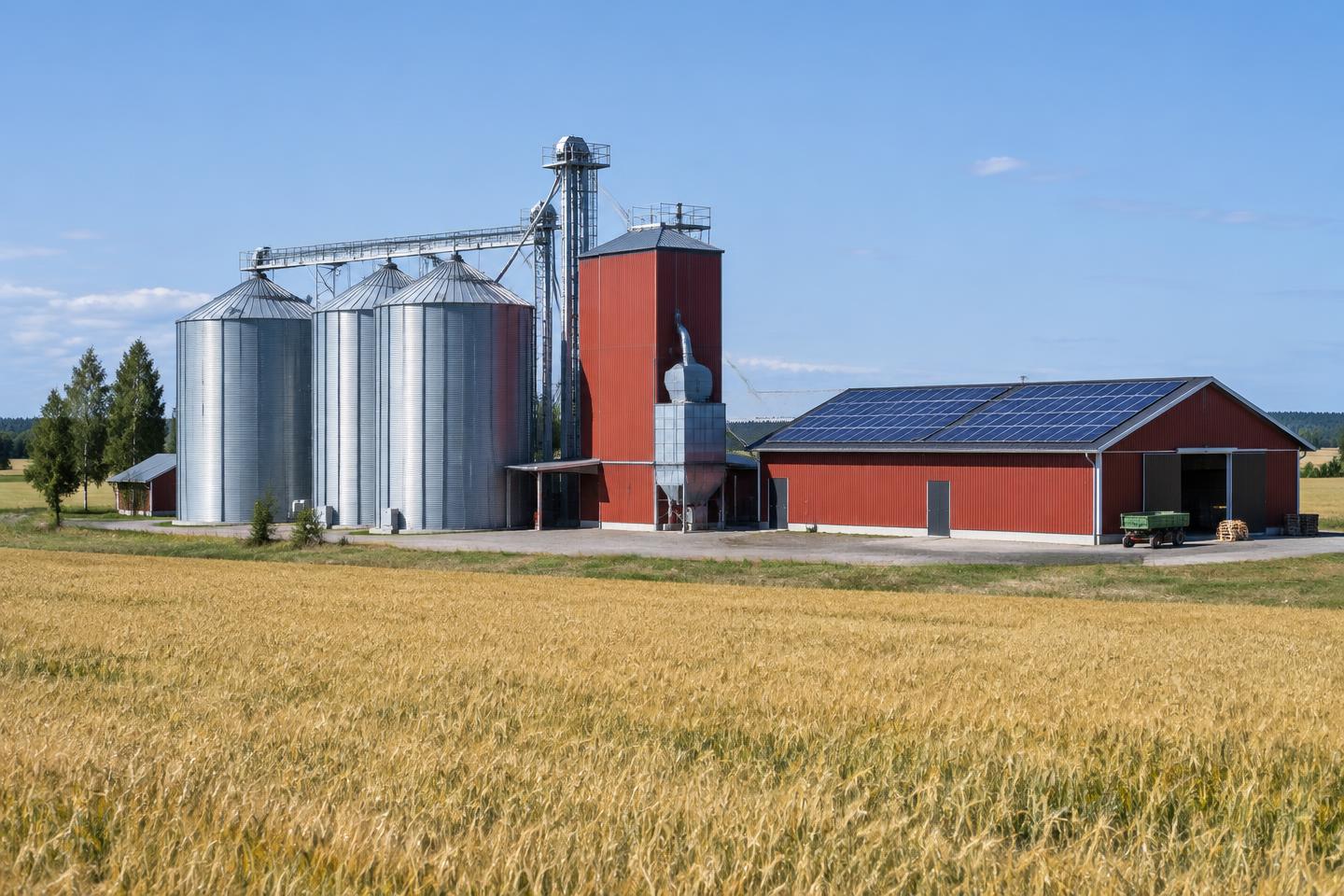
Havainnekuva viljankuivaamosta, siiloista ja aurinkopaneeleistaIllustrative image
Farms & agriculture

Grain farm and dryer

Loimaa

25.6 kWh battery system and 40 kWp solar installation

The grain dryer runs on self-generated solar power, avoiding the need to upgrade the grid connection.

Saves 5 100 €/year

Lower electricity costs, enhanced security of supply.

Call an expert