
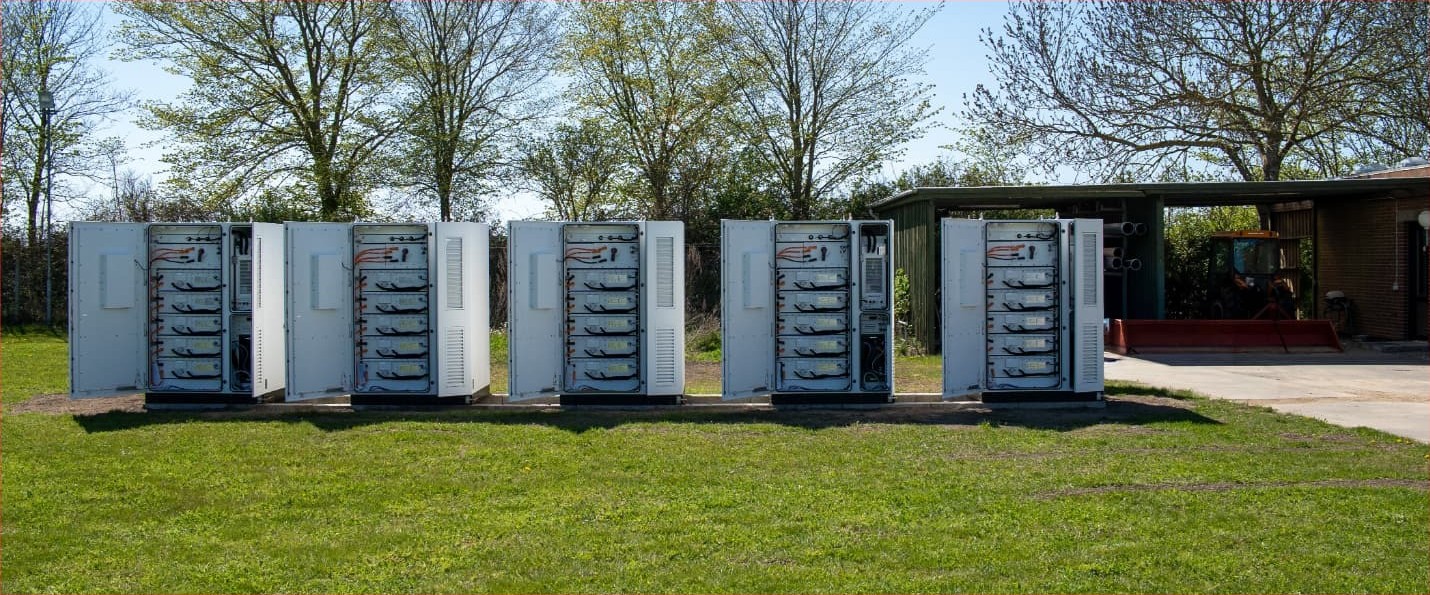
Electricity market operation and reserve markets
The battery earns even when you are not using it yourself.
The flexible capacity of energy storage can be used to balance the electricity grid. Businesses can choose the revenue model that best suits their goals: the Market model tracking market prices, the Floor model with a guaranteed minimum return, or the Tolling model providing fixed monthly compensation for 36 months.
Three reasons
Why energy storage pays off
Returns from reserve markets
In the Market model, returns track the development of the reserve markets and market participation operates automatically.
Floor combines security and upside potential
The Floor model sets an annual minimum return while retaining the opportunity for additional market profits.
Tolling brings predictability
The Tolling model pays an agreed fixed monthly fee for 36 months with no market risk.
Typical applications
- Businesses and industry
- Farms & agriculture
- Energy utilities and large properties
- Commercial energy storage projects
Solutions for this need
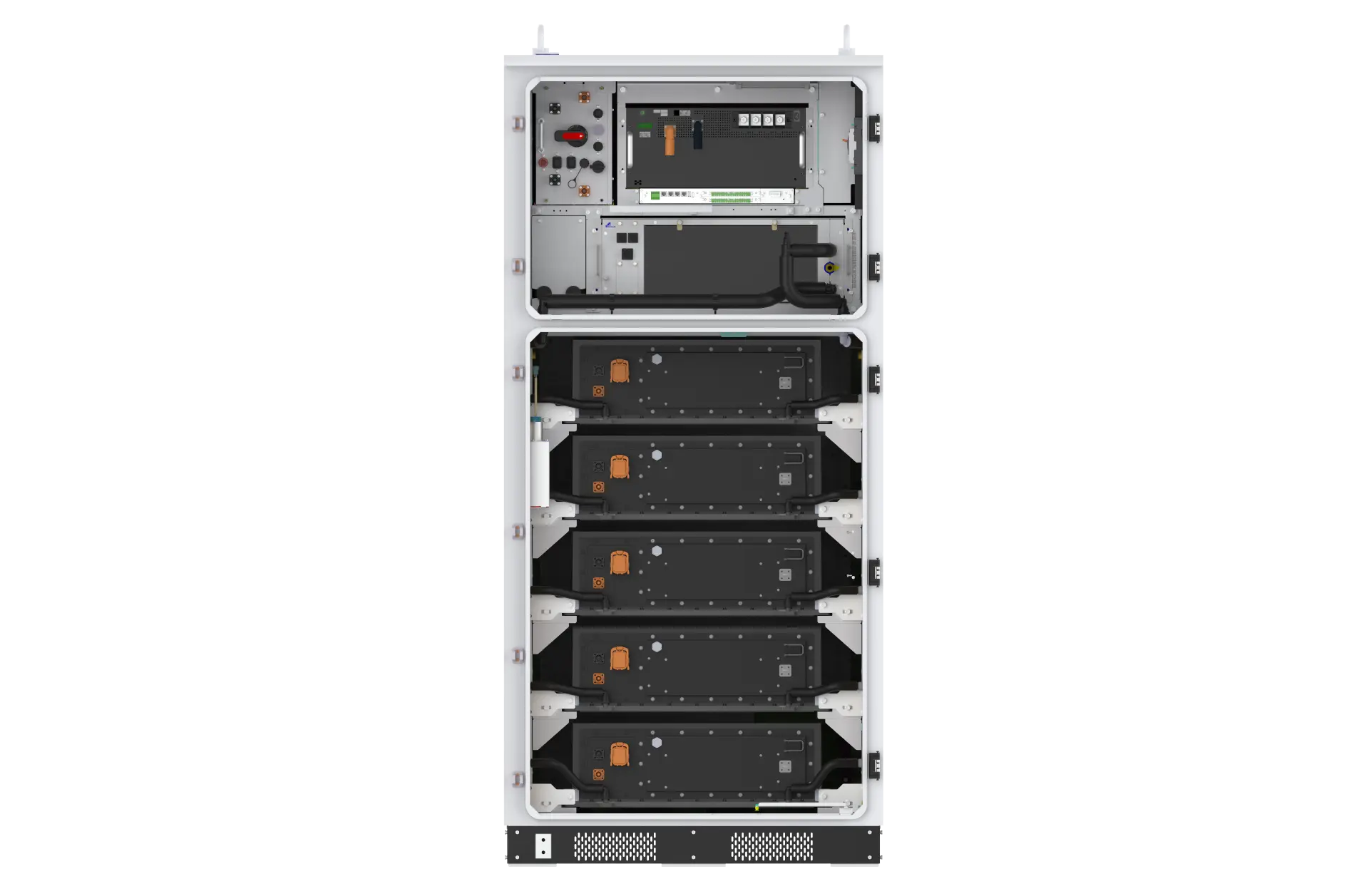
Emaldo PL-EL-125/261
C&I energy storage for energy flexibility and your chosen Market, Floor, or Tolling revenue model.
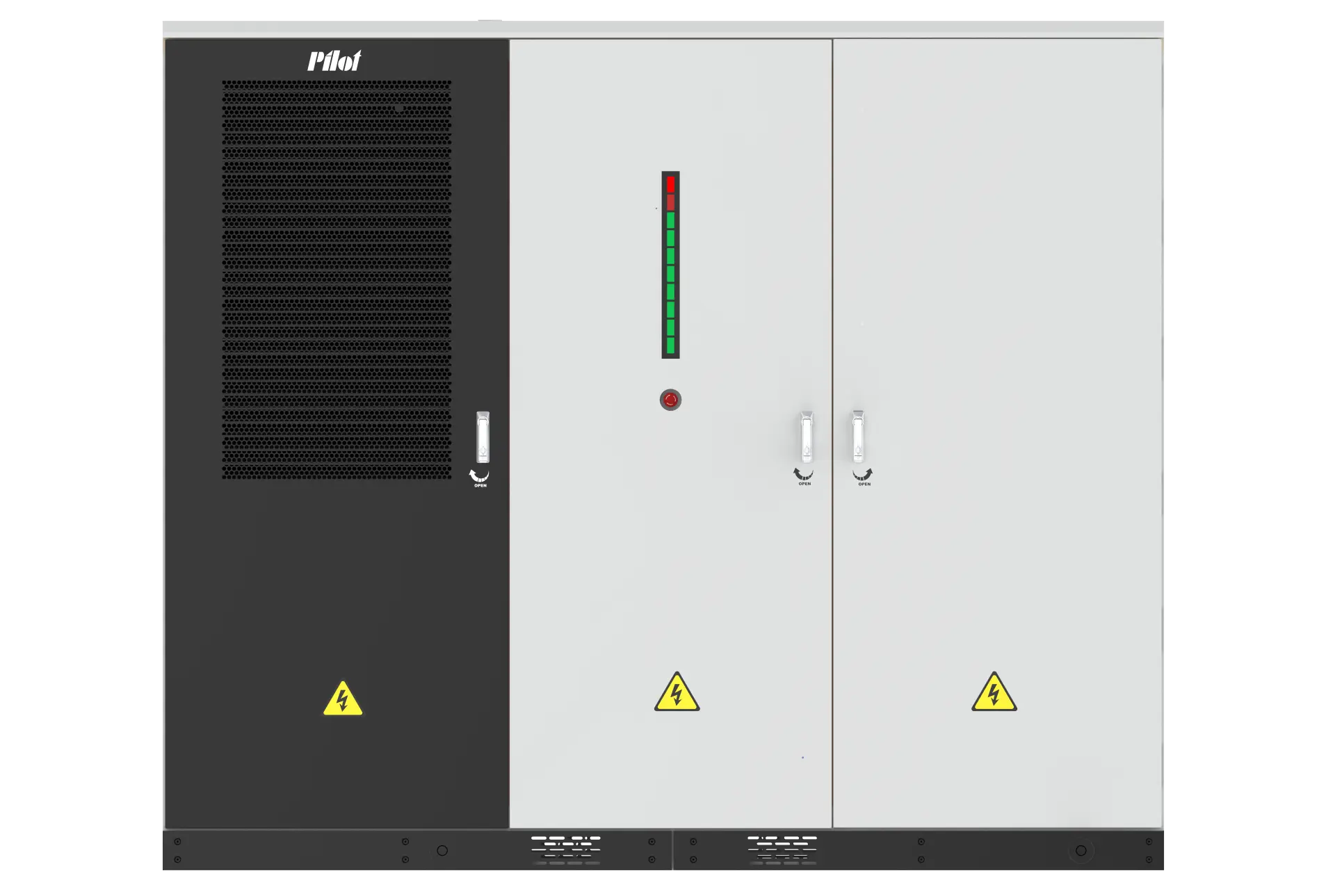
Emaldo PL-EL-250/836-G400
836 kWh capacity for load shifting and electricity market operation in larger commercial and industrial facilities.
The basics
What are reserve markets?
Fingrid procures reserves to balance electricity generation and consumption. A technically approved battery storage system can provide balancing capacity through a reserve provider or aggregator. Compensation is based on market terms, accepted bids, and actual availability — returns are not fixed.
The battery's role in electricity and reserve markets
- Capacity suitable for FCR-N and FCR-D frequency reserves
- aFRR and mFRR markets according to technical eligibility and service model
- Day-ahead and intraday price optimisation
- Aggregating multiple batteries into a single entity
- Aligning local benefits with market use
Sizing
What determines reserve market returns?
Returns depend on the battery's approved reserve power, availability, market prices, activations, energy costs, service model fees, and how much capacity is needed for the site's own use.
- 1Technical requirements and prequalification for the reserve product
- 2Offered power and battery state-of-charge management
- 3Market prices and accepted bidding periods
- 4Activation energy, losses, and operating cycles
- 5Agreement with a reserve provider or aggregator
Market returns fluctuate
Historical reserve revenue is no guarantee of future returns. Market products, procurement volumes, prices, and technical terms change over time. Watti assesses reserve use alongside the battery's local benefits, ensuring the investment does not rely on a single revenue stream alone.
Frequently asked questions
Questions about energy storage
Can a company join the reserve market directly?
It is possible for a qualified reserve provider, but in practice, most individual sites participate via a service provider or aggregator.
What do FCR, aFRR, and mFRR mean?
They are reserve products operating at different speeds and for different purposes. Suitability depends on the battery's response time, metering, control, prequalification, and the service model used.
How much can you earn with a reserve battery?
There is no single guaranteed euro figure. Earnings depend on the capacity offered, market prices, availability, activations, and contract fees, so estimates are updated based on live market data.
Can the battery serve the business during reserve operations?
Yes, provided the control system reserves sufficient power and capacity for the site's own priorities. The hierarchy of use cases is defined in the agreement and system sizing.
Sources and updates
Content reviewed 8.10.2026. Market terms, tariffs and technical suitability are always checked for each site.
Knowledge hub
Read more on this topic
Savings calculator
Size your energy storage system to suit your site
Estimated demand charge savings, price arbitrage and payback period. Prices VAT 0 %.
Estimated annual benefit · VAT 0 %
10 148 €/v
We recommend: Emaldo PL-EL-100/209 · 100 kW / 209 kWh
- Huipunleikkaus (tehomaksu)−14,5 kW620 €
- Price arbitrage (energy)2 403 €
- Transmission + tax, including efficiency losses−375 €
- Reservimarkkinat (Floor/Market/Tolling)7 500 €
Assumption: 250 cycles/year, discharge period 2 h, peak 121 kW, data: Esimerkkidata: FI-aluehinnat 10/2025–9/2026.
Request precise sizingSources: Caruna Oy price list 1.9.2024; Caruna Espoo 1.1.2026; Elenia large customer price list 1.4.2026 (product names inferred from the PDF, check the source); electricity tax from Elenia's 1.4.2026 price list. Helen Sähköverkko's business price list has not been verified: use 'Custom tariff'. Spot data: Nord Pool FI area prices (Elering, valitsesahko.fi), monthly average prices 10/2025–9/2026 and hourly profiles for January, April and July 2026 and October 2025, excluding VAT. Profiles for other months are derived from the nearest seasonal profile, so day-to-day variation is missing and the arbitrage estimate is a conservative lower bound. Prices are historical, not forecasts. Industry profiles are approximations, not measured data; actual peaks are often sharper. Reserve market revenues: Floor 55 000 €/MW/year and Tolling 75 000 €/MW/year (Watti, 8.10.2026), Market estimate varies (benchmark Clean Horizon Battery Index 2h). The model excludes load control, electricity storage tariffs offered by distribution network operators and financing costs. All prices VAT 0 %.
Read more