

Properties and real estate investment
Cut property energy costs and boost returns.
In commercial properties, a battery storage system shaves power peaks, optimises tariff and spot prices every 15 minutes, and stores solar power for later use. The same system can protect critical loads and generate revenue on grid flexibility markets.
Three reasons
Why energy storage pays off
Control peak demand charges
Simultaneous loads from ventilation, cooling, lifts, and charging can be smoothed out automatically with a battery.
Solar power for self-consumption
Rooftop solar generation is used within the property instead of being sold cheaply to the grid.
A new revenue stream for the owner
The battery system's energy flexibility can be turned into profit by choosing a Market, Floor, or Tolling model that fits the property's risk profile.
Typical applications
- Commercial and office properties
- Shopping centres and retail stores
- Schools, hospitals, and public buildings
- Property investor portfolios
Solutions for this need
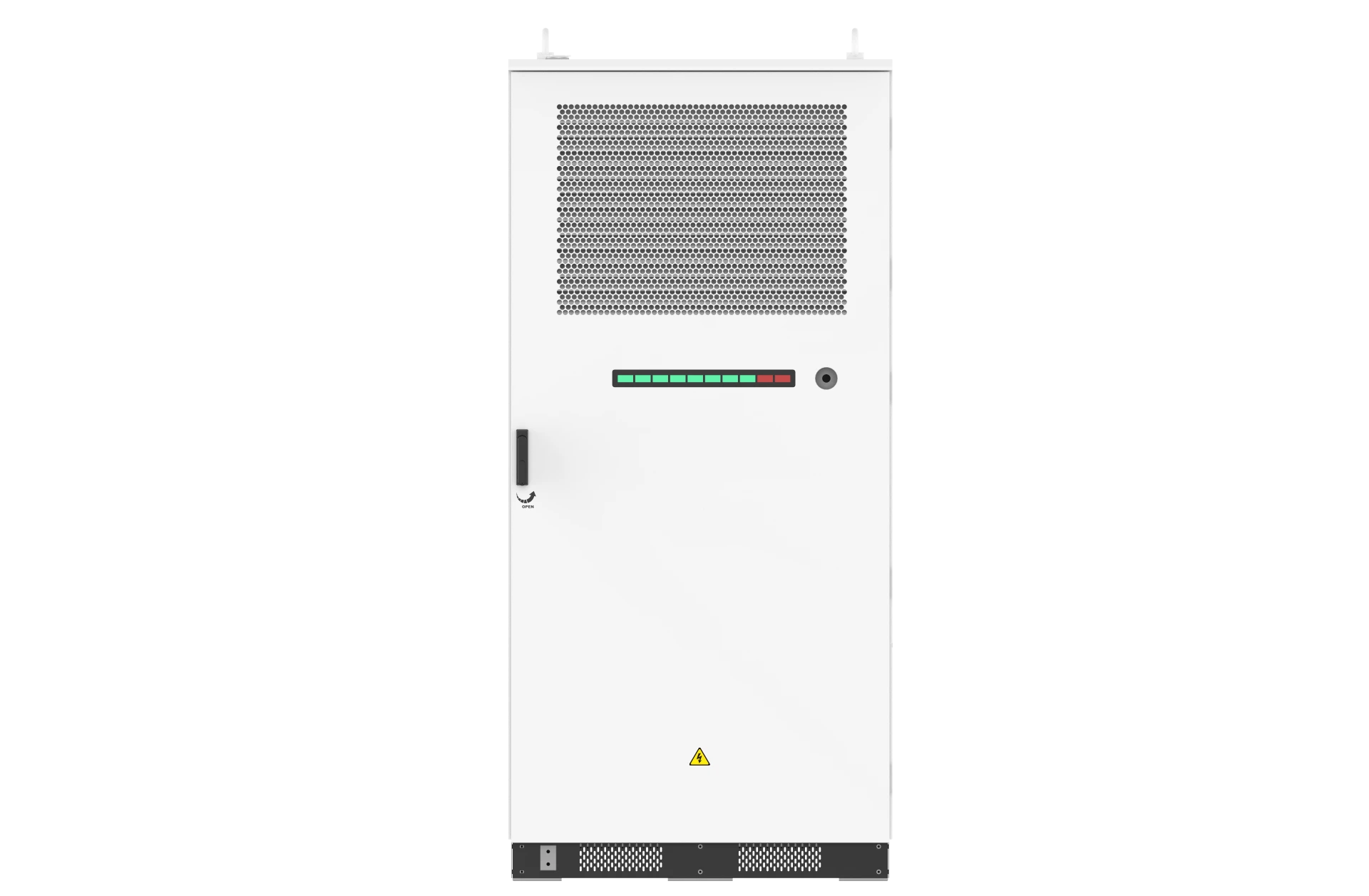
Emaldo PL-EL-100/209
A compact 100 kW / 209 kWh all-in-one solution for managing commercial property energy costs and providing backup power.
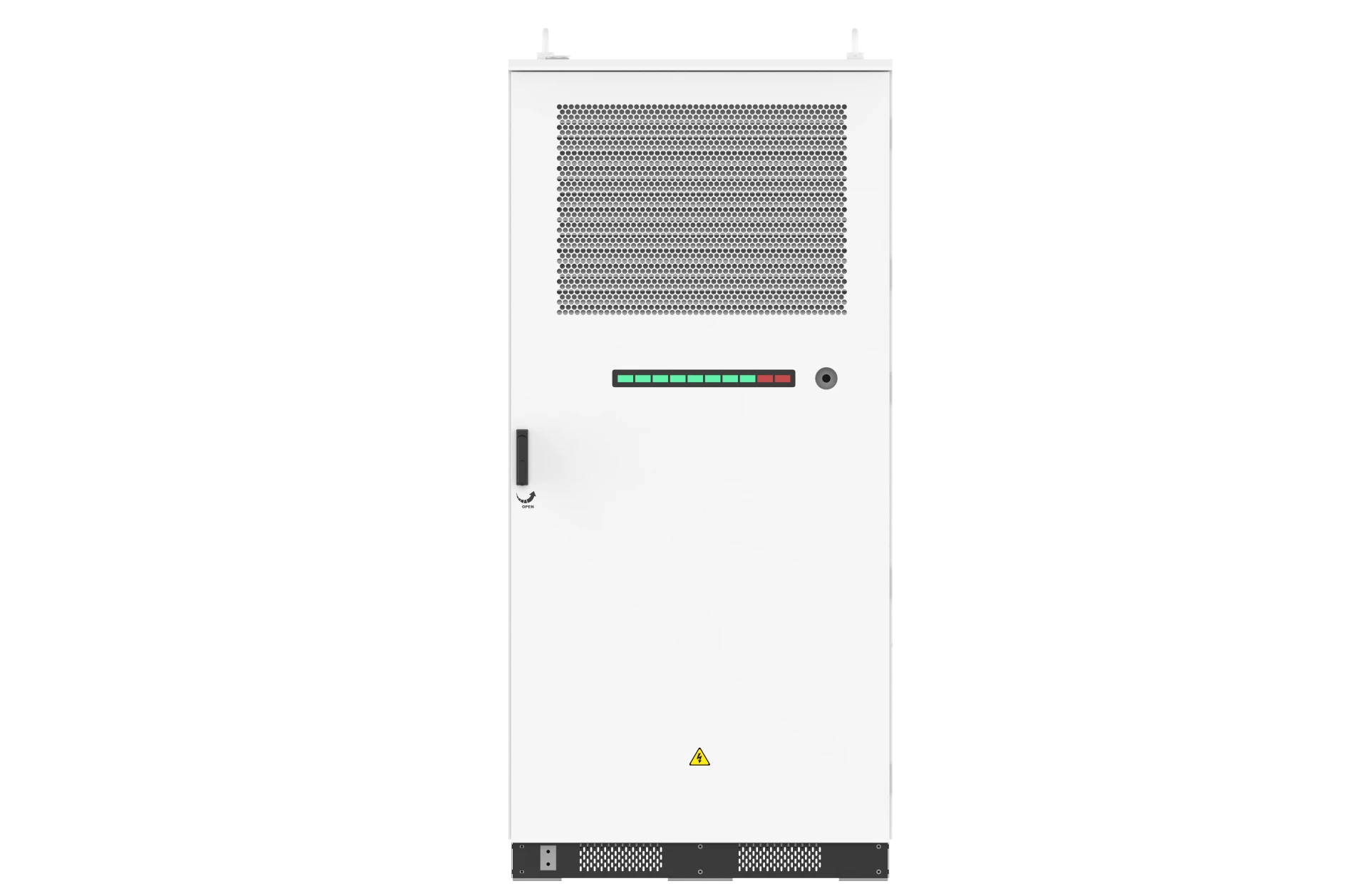
Emaldo PL-EL-125/261-G-PS100
A 125 kW / 261 kWh battery storage system, integrated 100 kW solar inverter, and backup power capability in one complete package.
The basics
What does a property battery do?
A property battery, or commercial battery energy storage system, shaves building consumption peaks, shifts electricity use to cheaper hours, and stores surplus solar generation. It can also support the grid connection for new EV charging and electrification investments.
Sites worth assessing first
- Commercial and office properties with high peak power charges
- Shopping centres, cold storage facilities, and warehouses
- Sites with existing or planned solar installations
- Properties adding EV charging infrastructure
- Portfolio sites where peak power is high relative to the baseload
Sizing
Sizing a property energy storage system
Sizing combines building consumption, building services operating hours, solar generation, charging loads, and the network operator's tariff. Across a property portfolio, sites can be prioritised by savings potential and investment timing.
- 115-minute consumption and peak power
- 2Loads from ventilation, cooling, heating, and lifts
- 3Number of charge points and concurrency
- 4Solar generation and energy exported to the grid
- 5Grid connection capacity and planned modifications
Grid connection optimisation is site-specific
A battery can only postpone connection upgrades or unlock peak capacity if it has time to recharge between uses. Grid operator terms, the property's load profile, and future power demand determine the final design.
Frequently asked questions
Questions about energy storage
What is a property battery?
A property battery is a battery storage system connected to a building's electrical infrastructure, controlled based on consumption, electricity prices, solar output, or power limits.
Can a property battery reduce peak demand charges?
Yes, if it can discharge sufficient power during the consumption peak measured by the grid operator. Savings depend on the tariff and the shape of the peaks.
Can a battery help when adding EV charging points?
A battery can supplement grid connection capacity during charging peaks. Load management, charging routines, and battery recharging windows are assessed at the same time.
How are sites prioritised across a property portfolio?
First, we assess sites with high demand charges, recurring short peaks, on-site generation, or planned investments in EV charging and electrification.
Sources and updates
- Motiva: Demand response as part of energy management
- Motiva: Industrial energy audits and energy analysis
Content reviewed 8.10.2026. Market terms, tariffs and technical suitability are always checked for each site.
Savings calculator
Size your energy storage system to suit your site
Estimated demand charge savings, price arbitrage and payback period. Prices VAT 0 %.
Estimated annual benefit · VAT 0 %
10 148 €/v
We recommend: Emaldo PL-EL-100/209 · 100 kW / 209 kWh
- Huipunleikkaus (tehomaksu)−14,5 kW620 €
- Price arbitrage (energy)2 403 €
- Transmission + tax, including efficiency losses−375 €
- Reservimarkkinat (Floor/Market/Tolling)7 500 €
Assumption: 250 cycles/year, discharge period 2 h, peak 121 kW, data: Esimerkkidata: FI-aluehinnat 10/2025–9/2026.
Request precise sizingSources: Caruna Oy price list 1.9.2024; Caruna Espoo 1.1.2026; Elenia large customer price list 1.4.2026 (product names inferred from the PDF, check the source); electricity tax from Elenia's 1.4.2026 price list. Helen Sähköverkko's business price list has not been verified: use 'Custom tariff'. Spot data: Nord Pool FI area prices (Elering, valitsesahko.fi), monthly average prices 10/2025–9/2026 and hourly profiles for January, April and July 2026 and October 2025, excluding VAT. Profiles for other months are derived from the nearest seasonal profile, so day-to-day variation is missing and the arbitrage estimate is a conservative lower bound. Prices are historical, not forecasts. Industry profiles are approximations, not measured data; actual peaks are often sharper. Reserve market revenues: Floor 55 000 €/MW/year and Tolling 75 000 €/MW/year (Watti, 8.10.2026), Market estimate varies (benchmark Clean Horizon Battery Index 2h). The model excludes load control, electricity storage tariffs offered by distribution network operators and financing costs. All prices VAT 0 %.
Read more