
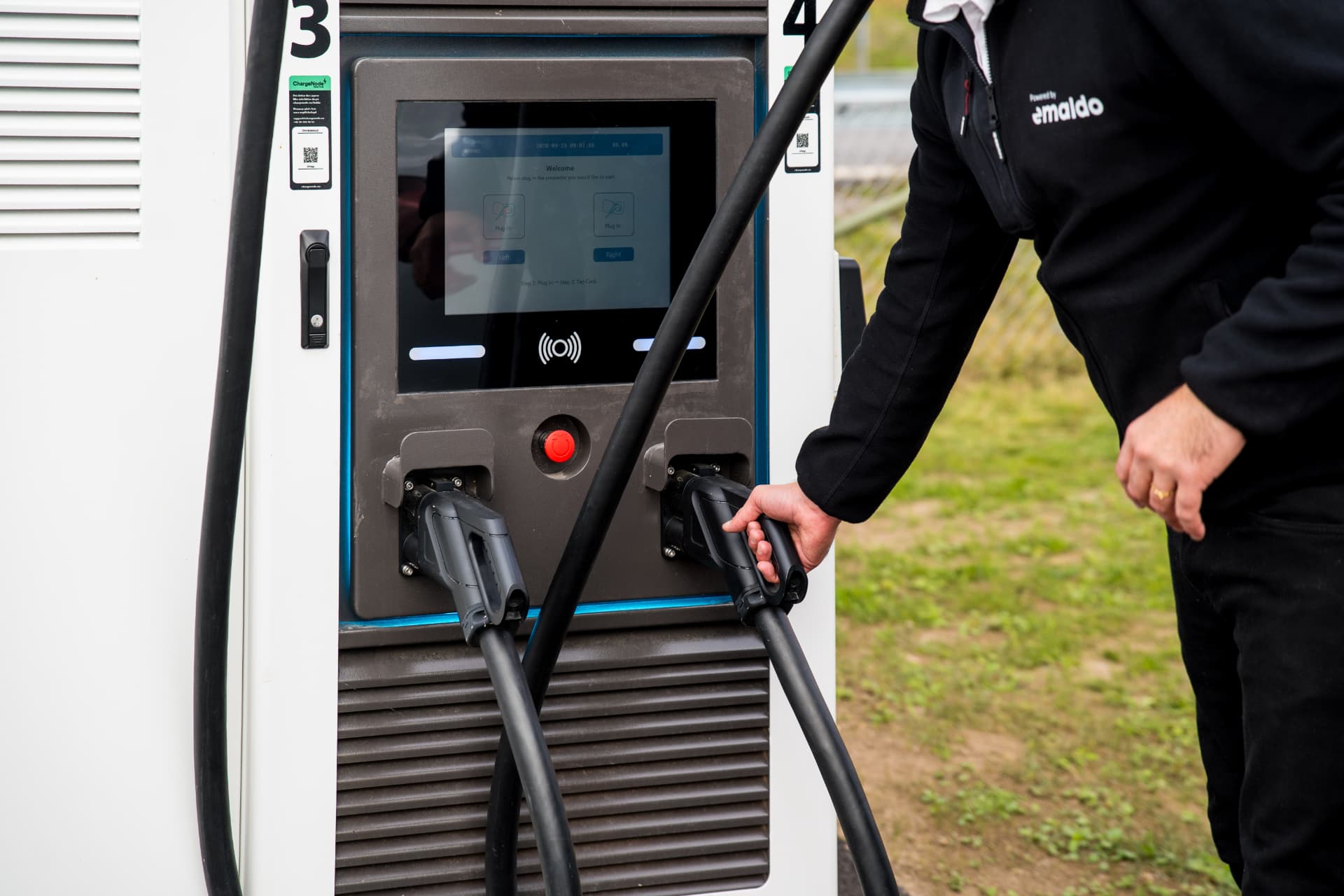
Vehicle and fleet charging
Scalable 60–240 kW fast charging tailored to your business needs.
The Emaldo EM-C240 is a modular DC fast charger designed for commercial and public use. Its output can be sized from 60 to 240 kW and expanded as demand grows. When paired with battery storage, the battery absorbs charging power peaks, helping you make the most of your existing grid connection.
Three reasons
Why energy storage pays off
Power that grows with your needs
Modular 60–240 kW power options provide an ideal starting point and seamless future expansion.
Smart management
An OCPP-compliant monitoring and management system alongside a colour touchscreen makes tracking and managing charging effortless.
Built for professional use
Designed for both indoor and outdoor use, broad vehicle compatibility and modular serviceability ensure a long operational lifespan.
Typical applications
- Public fast charging and charging hubs
- Corporate vehicle fleets and logistics equipment
- Staff and visitor workplace charging
- Retail and public car parks
Solutions for this need
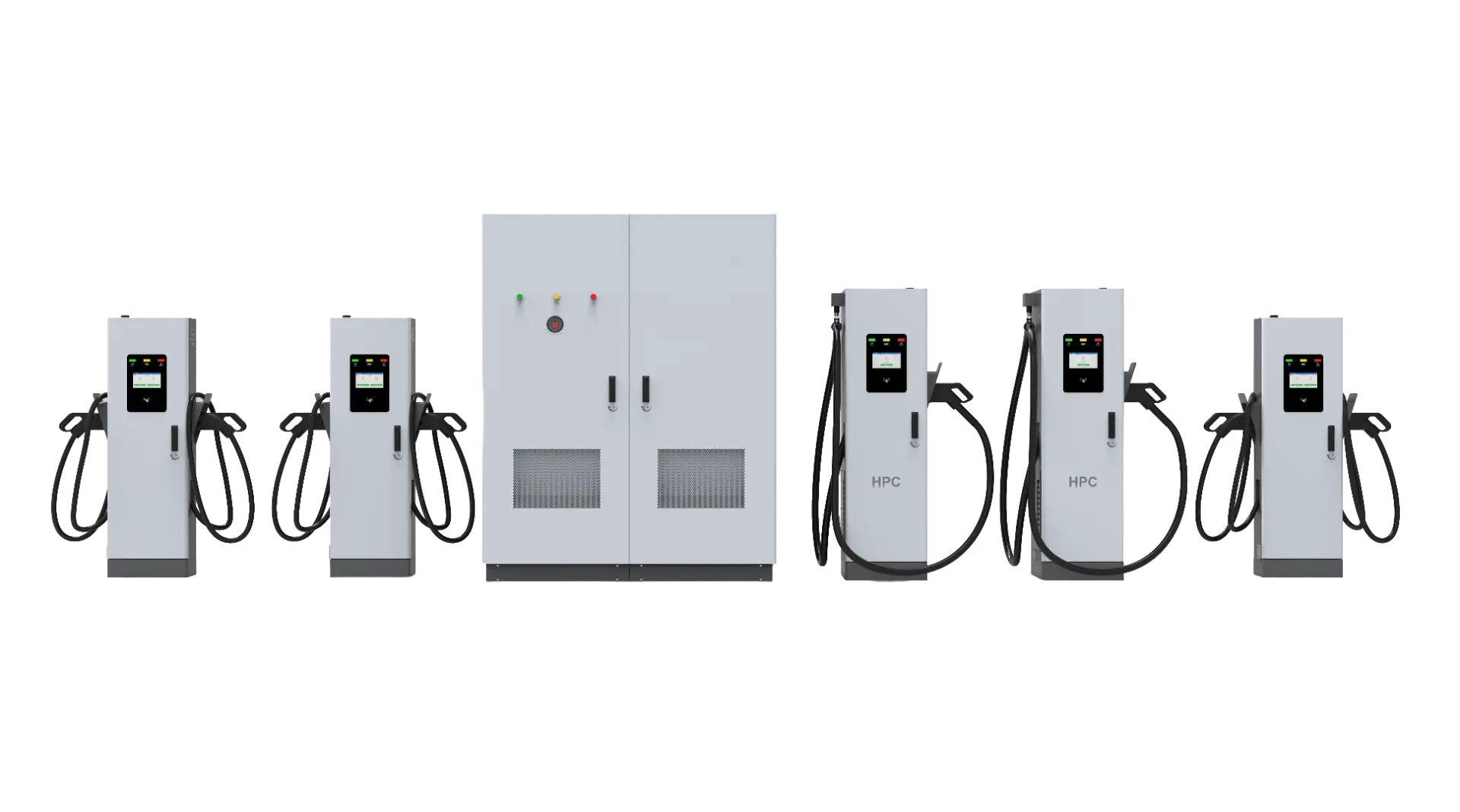
Emaldo EM-C240
Modular 60–240 kW DC fast charger with OCPP-compliant management for both indoor and outdoor use.
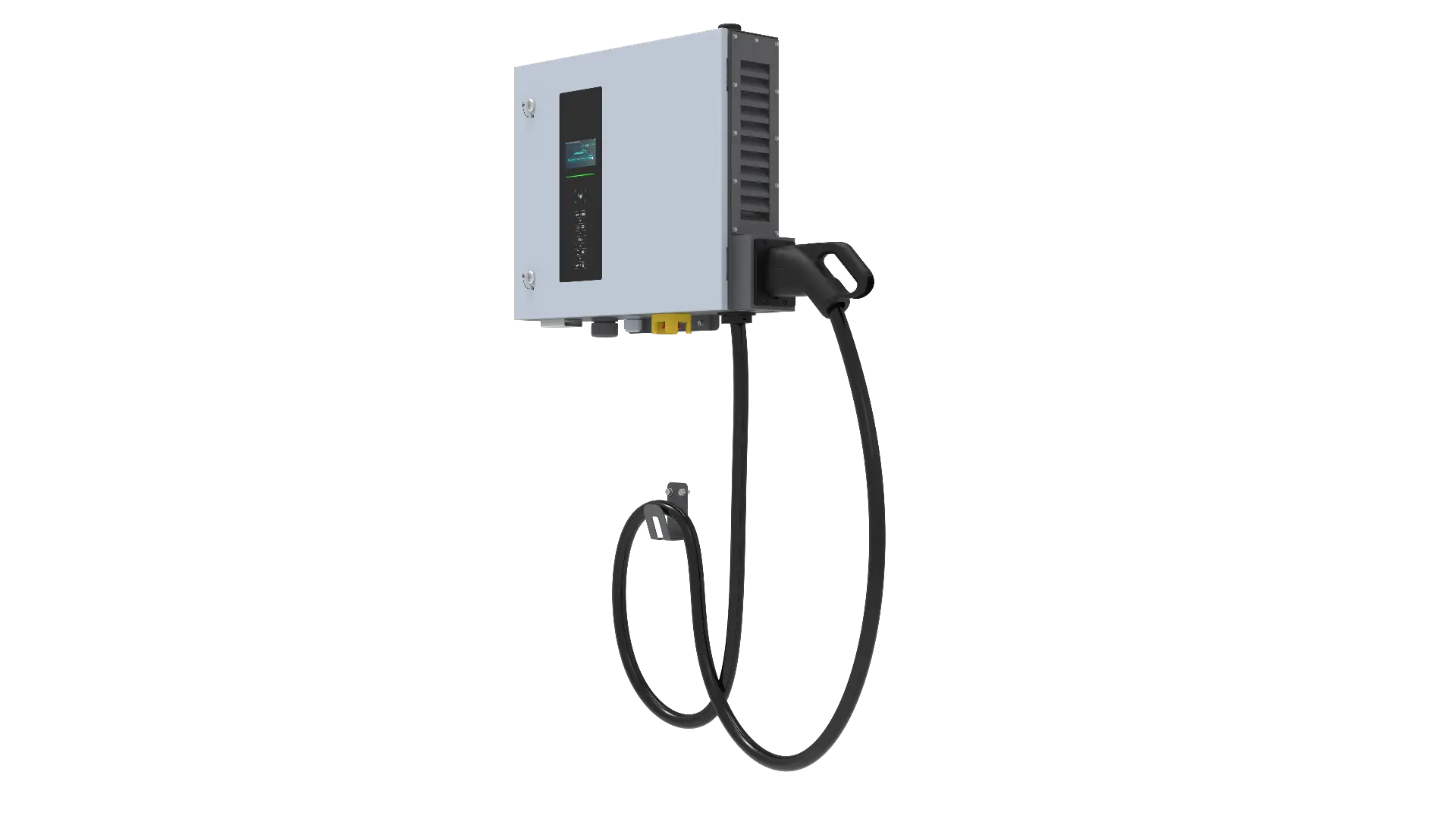
Emaldo PEVC AC charger
Commercial AC charging for workplaces, customer charging and daily charging of commercial fleets.
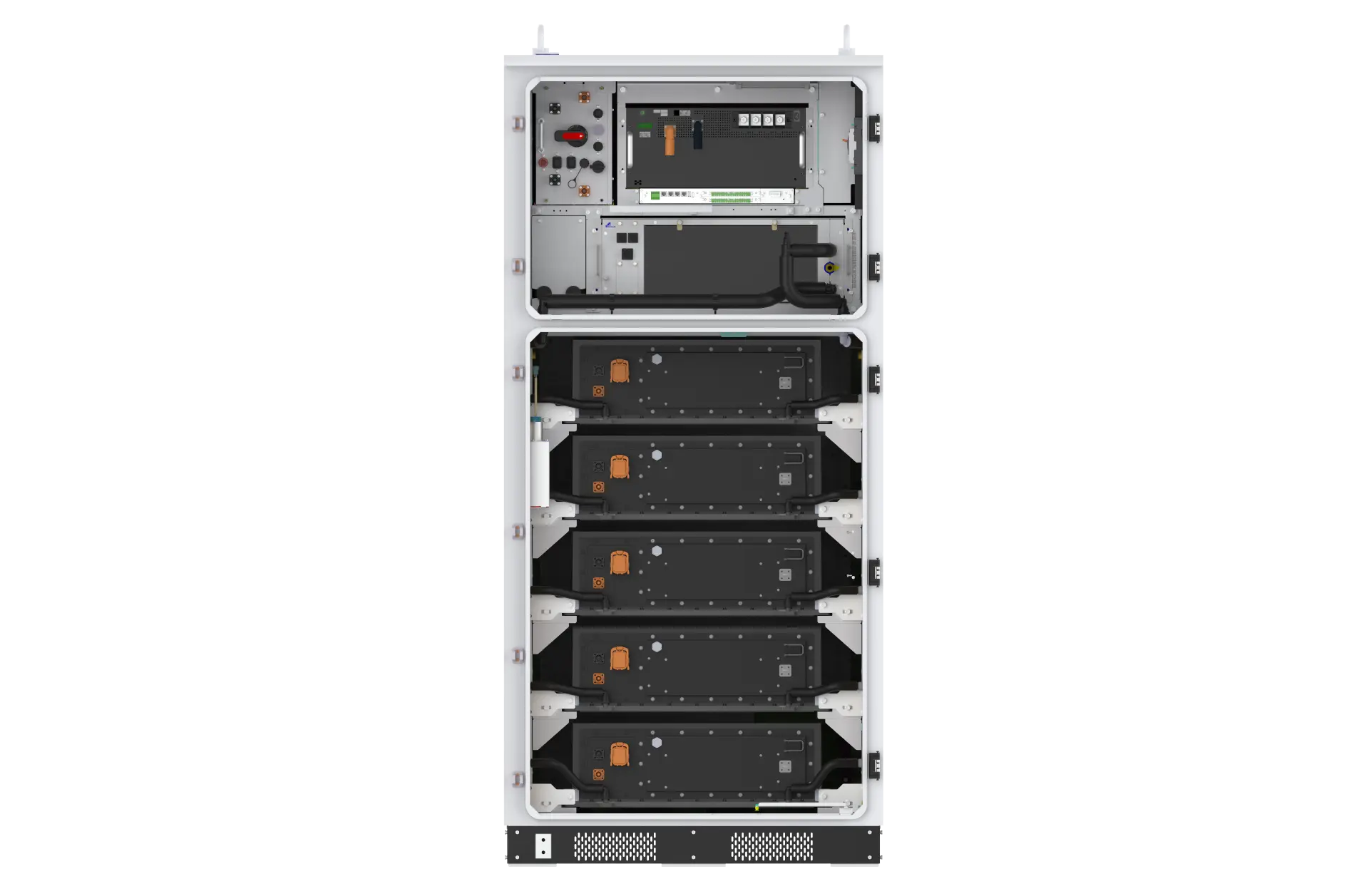
Emaldo PL-EL-125/261
Energy storage handles charging power peaks and helps implement fleet charging within the limits of your existing grid connection.
The basics
AC, DC and battery-supported charging
In AC charging, the vehicle’s on-board charger converts electricity for the battery, whereas a DC fast charger supplies direct current straight to the traction battery. Battery-supported DC charging combines a fast charger with energy storage that assists the grid connection during charging peaks.
Choose the charging method based on operational patterns
- AC charging for passenger cars parked for long periods
- DC fast charging for short stops and fleets with high energy demands
- Battery-supported fast charging when instantaneous grid capacity is insufficient
- Dynamic load management for multi-point charging sites
- OCPP-compliant management for monitoring and controlling charging sessions
Sizing
Size charging around daily vehicle operations
A charging hub is sized based on vehicle energy demand, dwell time and concurrency. The highest rated power is not always the most economical solution.
- 1Vehicle battery capacity and daily mileage
- 2Available charging time
- 3Number of vehicles charging simultaneously
- 4Property baseload and spare connection capacity
- 5Fleet growth plans and required scalability
Charging power and energy demand are two different things
A charger’s kW rating indicates speed, but the daily kWh requirement determines the energy transferred. A battery can boost a short charging session, but it must also have time to recharge before the next demand.
Frequently asked questions
Questions about energy storage
When does a business need DC fast charging?
DC fast charging is ideal when substantial energy must be transferred during a short stop, such as in logistics, public transport and destination charging.
What does OCPP mean?
OCPP is an open communication standard between charging stations and backend systems, making it easy to integrate monitoring, user management and billing.
Can a battery boost charging power beyond the grid connection capacity?
Momentarily yes, when the battery discharges alongside the grid connection. Feasibility depends on the property’s overall baseload and charging cycles.
How is a charging hub sized?
Sizing is based on vehicle energy requirements, available time, concurrency, grid connection capacity and other on-site consumption.
Sources and updates
Content reviewed 8.10.2026. Market terms, tariffs and technical suitability are always checked for each site.
Savings calculator
Size your energy storage system to suit your site
Estimated demand charge savings, price arbitrage and payback period. Prices VAT 0 %.
Estimated annual benefit · VAT 0 %
10 148 €/v
We recommend: Emaldo PL-EL-100/209 · 100 kW / 209 kWh
- Huipunleikkaus (tehomaksu)−14,5 kW620 €
- Price arbitrage (energy)2 403 €
- Transmission + tax, including efficiency losses−375 €
- Reservimarkkinat (Floor/Market/Tolling)7 500 €
Assumption: 250 cycles/year, discharge period 2 h, peak 121 kW, data: Esimerkkidata: FI-aluehinnat 10/2025–9/2026.
Request precise sizingSources: Caruna Oy price list 1.9.2024; Caruna Espoo 1.1.2026; Elenia large customer price list 1.4.2026 (product names inferred from the PDF, check the source); electricity tax from Elenia's 1.4.2026 price list. Helen Sähköverkko's business price list has not been verified: use 'Custom tariff'. Spot data: Nord Pool FI area prices (Elering, valitsesahko.fi), monthly average prices 10/2025–9/2026 and hourly profiles for January, April and July 2026 and October 2025, excluding VAT. Profiles for other months are derived from the nearest seasonal profile, so day-to-day variation is missing and the arbitrage estimate is a conservative lower bound. Prices are historical, not forecasts. Industry profiles are approximations, not measured data; actual peaks are often sharper. Reserve market revenues: Floor 55 000 €/MW/year and Tolling 75 000 €/MW/year (Watti, 8.10.2026), Market estimate varies (benchmark Clean Horizon Battery Index 2h). The model excludes load control, electricity storage tariffs offered by distribution network operators and financing costs. All prices VAT 0 %.
Read more