
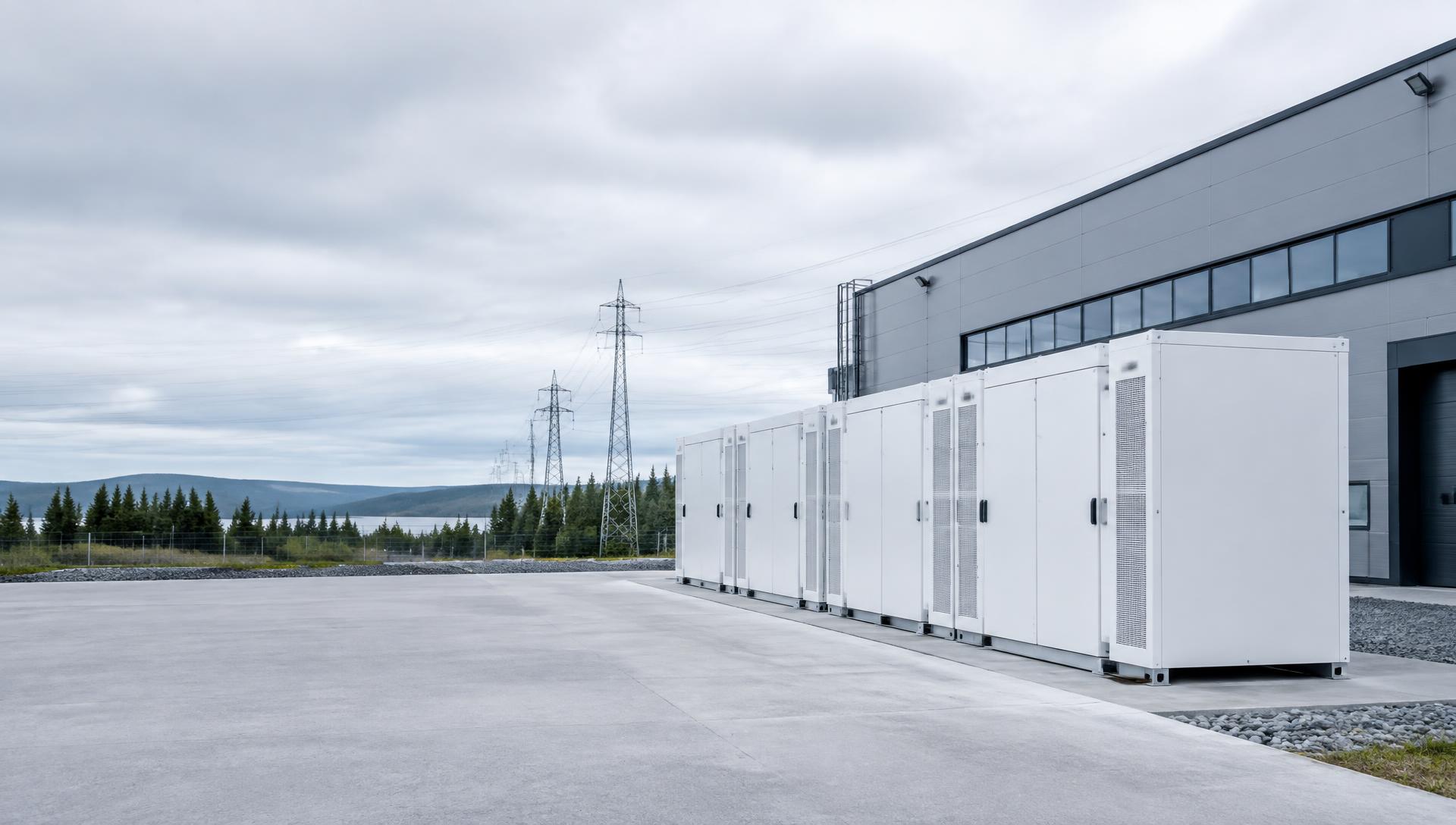
Reducing demand charges
Cut consumption peaks – pay only for the power you actually need.
A commercial battery storage system reacts to peak demand by supplying energy to on-site loads and reducing power drawn from the grid. Emaldo's control optimises peak loads as well as tariff and spot prices every 15 minutes as part of a single integrated system.
Three reasons
Why energy storage pays off
Automatic peak shaving
The system detects rising load and discharges the battery before the peak is registered by the meter.
No need to upgrade your grid connection
When momentary peaks are covered by a battery, your existing grid connection is often more than sufficient.
The same battery does more
In addition to peak shaving, the system can optimise electricity procurement, protect critical loads and participate in demand response.
Typical applications
- Industry and production facilities
- Commercial properties
- Farm grain dryers and dairy facilities
- Charging stations and logistics
Solutions for this need
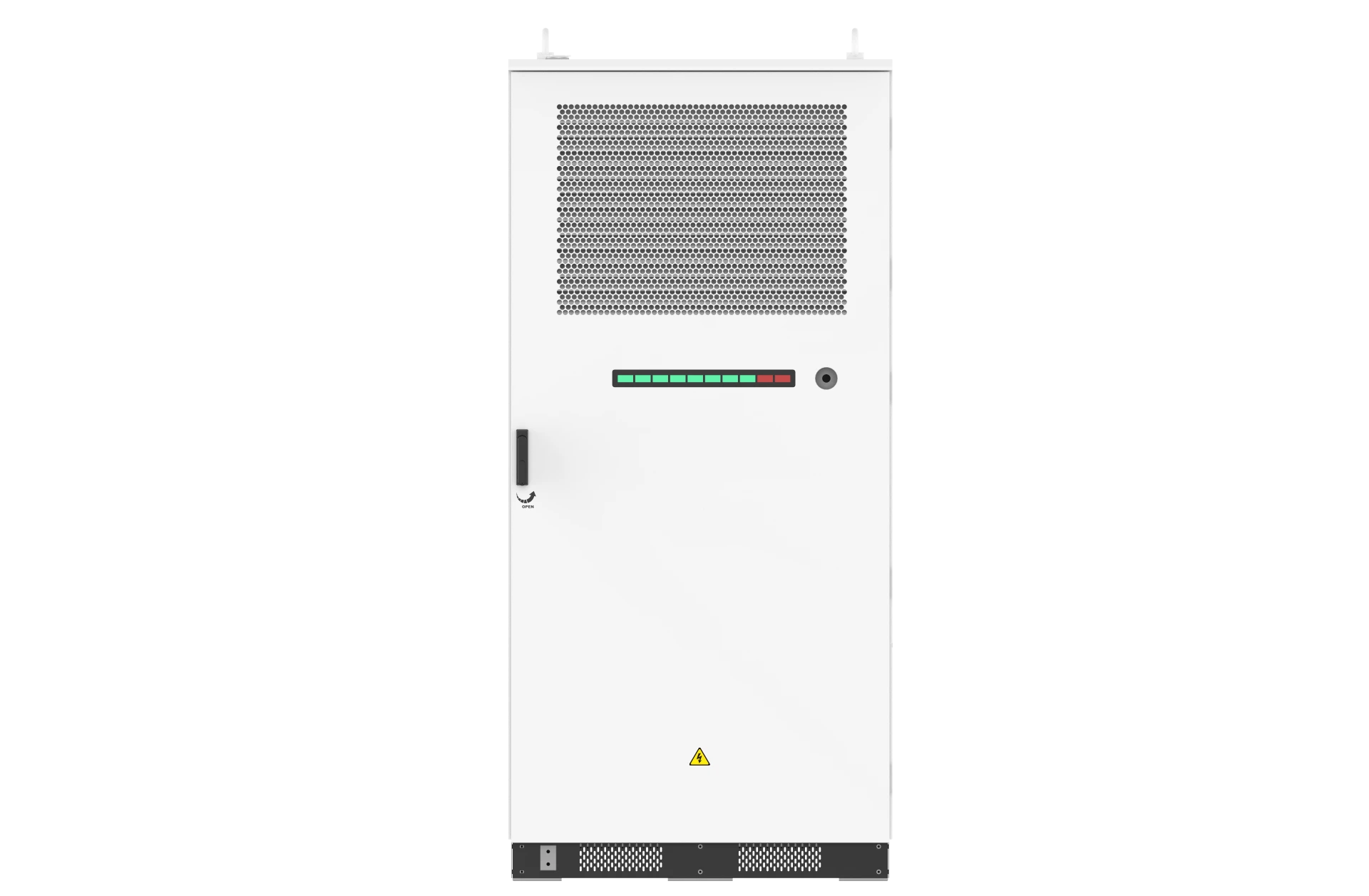
Emaldo PL-EL-100/209
100 kW / 209 kWh solution for automatic peak shaving in commercial properties and medium-sized businesses.
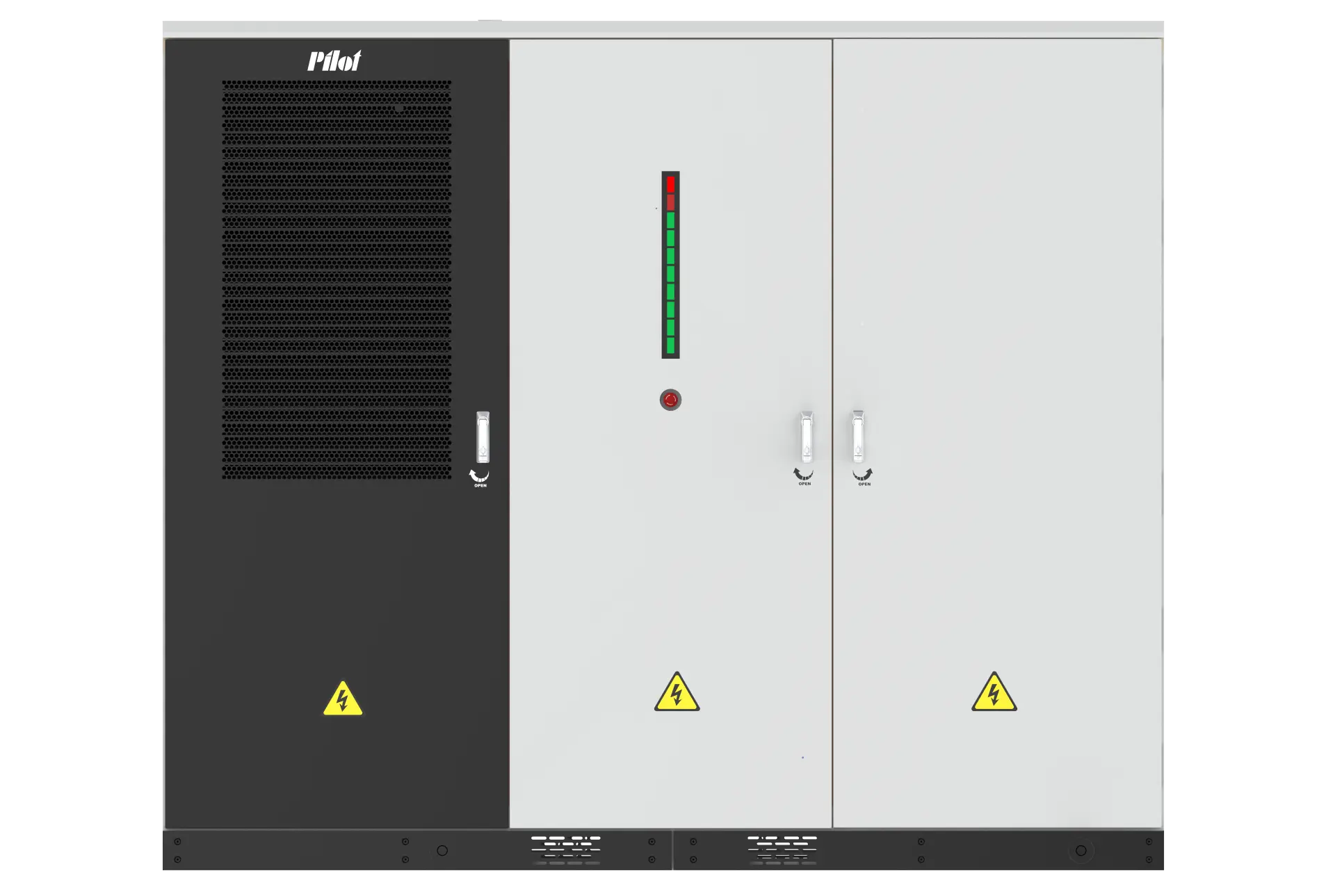
Emaldo PL-EL-250/836-G400
250 kW power and 836 kWh capacity for smoothing out large, long-duration load peaks.
The basics
What is an electricity demand charge?
A demand charge is a component of the electricity network tariff based on the customer’s measured peak demand, rather than solely on energy consumed. The exact measurement interval and calculation method depend on the distribution network operator and the tariff product. A battery storage system can lower the billed peak demand by discharging energy during consumption spikes.
Peak shaving – cutting power spikes
- Simultaneous start-ups of production machinery
- Overlapping cooling, heating and ventilation loads
- Charging peaks from electric cars and heavy-duty vehicles
- Dryers, electric boilers and other large intermittent loads
- Sites seeking to avoid or defer connection upgrades
Sizing
How demand charge savings are estimated
A simplified annual estimate is shaved peak power (kW) × demand charge (€/kW/month) × billing months. Actual savings are calculated based on tariff conditions and historical 15-minute data.
- 1Download at least one year of 15-minute consumption data
- 2Check the network operator, tariff product and demand charge calculation rules
- 3Identify the magnitude, duration and frequency of peaks
- 4Size the battery’s discharge power based on the kW target to be shaved
- 5Ensure capacity is sufficient for the entire peak
An illustrative example, not a guarantee
If the battery is used for another purpose at the same time or the consumption peak lasts longer than expected, the peak shaving achieved is reduced. Grid operators' price lists and peak power calculation rules vary, so results are always verified using site-specific data.
Frequently asked questions
Questions about energy storage
How is the electricity demand charge determined?
The demand charge is based on measured peak power according to your grid tariff. The measurement interval, the number of peaks taken into account and any time restrictions depend on your local distribution system operator (DSO).
How does a battery lower the demand charge?
The control system detects when a power threshold is exceeded and discharges the battery to supply site loads. This keeps the power drawn from the grid below the configured limit.
Is hourly or 15-minute data required for calculations?
A reliable assessment for commercial and industrial sites requires at least 15-minute data, as brief peaks can be masked by hourly averages.
Is it the battery's kW or kWh that matters?
Both. Power (kW) determines how high a peak the battery can shave, and capacity (kWh) determines how long that shaving can be sustained.
Sources and updates
Content reviewed 8.10.2026. Market terms, tariffs and technical suitability are always checked for each site.
Knowledge hub
Read more on this topic
- Demand Charge GuideDemand charges are based on your highest average power demand in a month, not on total energy consumed. This guide explains how peaks occur, how they are metered and how battery storage effectively cuts them.Businesses and industry · 5 min read
- Reserve Market GuideBattery storage can sell its capacity to Fingrid's reserve markets, generating annual returns regardless of your electricity consumption. This guide covers markets, systems, required steps, and an honest calculation example.Businesses and industry · 6 min read
Savings calculator
Size your energy storage system to suit your site
Estimated demand charge savings, price arbitrage and payback period. Prices VAT 0 %.
Estimated annual benefit · VAT 0 %
10 148 €/v
We recommend: Emaldo PL-EL-100/209 · 100 kW / 209 kWh
- Huipunleikkaus (tehomaksu)−14,5 kW620 €
- Price arbitrage (energy)2 403 €
- Transmission + tax, including efficiency losses−375 €
- Reservimarkkinat (Floor/Market/Tolling)7 500 €
Assumption: 250 cycles/year, discharge period 2 h, peak 121 kW, data: Esimerkkidata: FI-aluehinnat 10/2025–9/2026.
Request precise sizingSources: Caruna Oy price list 1.9.2024; Caruna Espoo 1.1.2026; Elenia large customer price list 1.4.2026 (product names inferred from the PDF, check the source); electricity tax from Elenia's 1.4.2026 price list. Helen Sähköverkko's business price list has not been verified: use 'Custom tariff'. Spot data: Nord Pool FI area prices (Elering, valitsesahko.fi), monthly average prices 10/2025–9/2026 and hourly profiles for January, April and July 2026 and October 2025, excluding VAT. Profiles for other months are derived from the nearest seasonal profile, so day-to-day variation is missing and the arbitrage estimate is a conservative lower bound. Prices are historical, not forecasts. Industry profiles are approximations, not measured data; actual peaks are often sharper. Reserve market revenues: Floor 55 000 €/MW/year and Tolling 75 000 €/MW/year (Watti, 8.10.2026), Market estimate varies (benchmark Clean Horizon Battery Index 2h). The model excludes load control, electricity storage tariffs offered by distribution network operators and financing costs. All prices VAT 0 %.
Read more