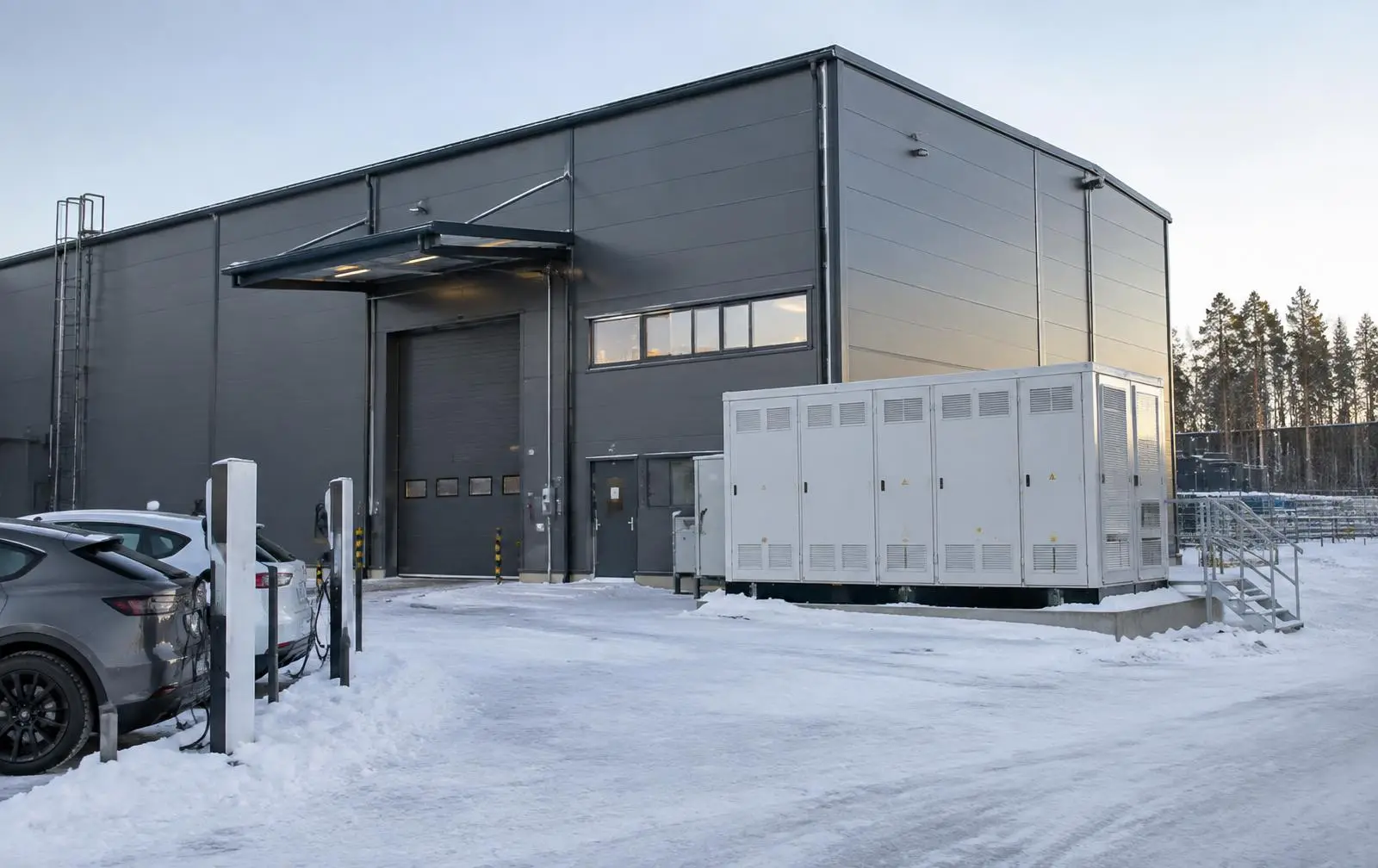
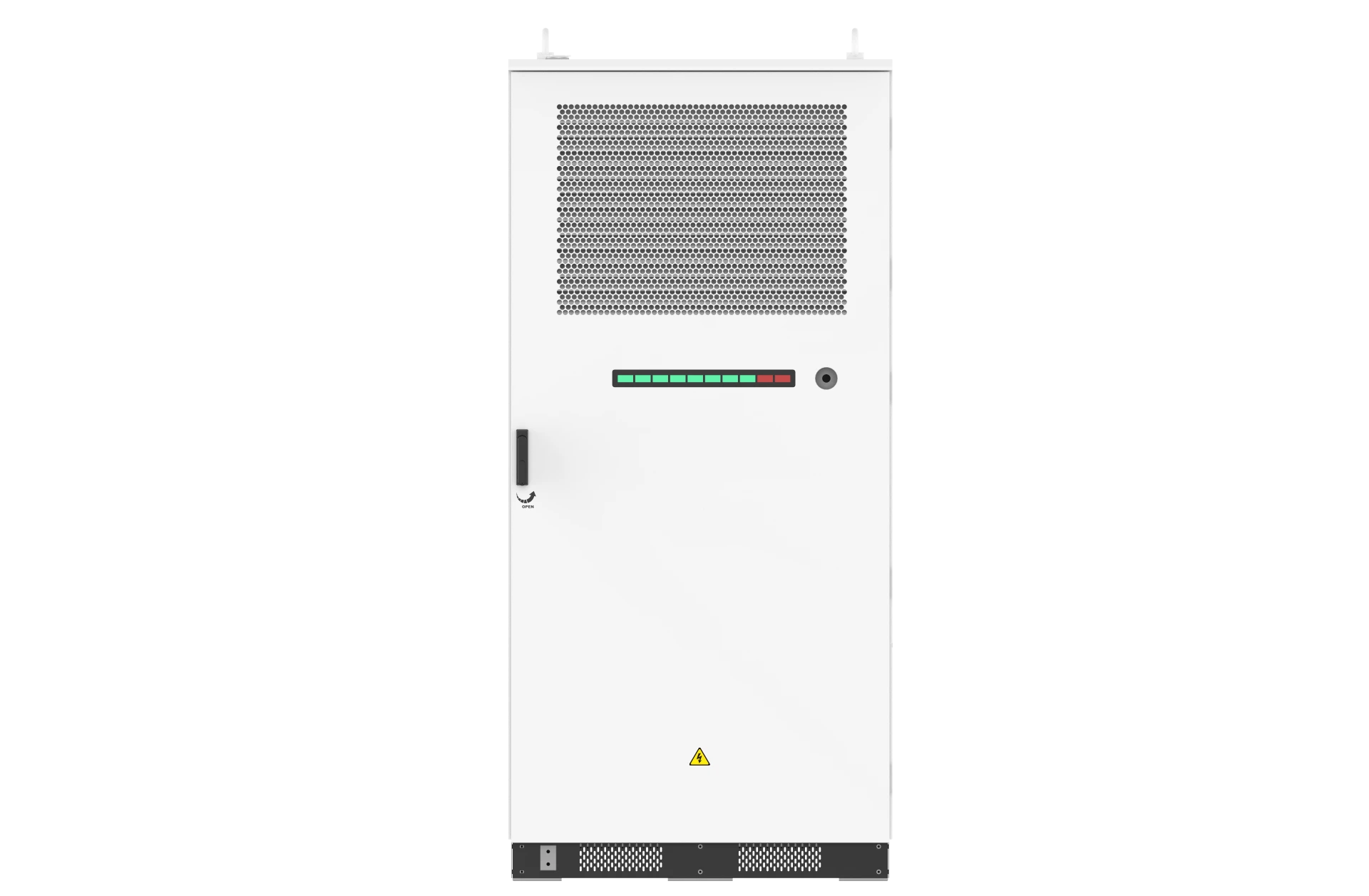
100 kW / 209 kWh
PL-EL-100/209
A compact all-in-one solution for commercial premises, mid-sized business sites and emergency backup power.

Industry & business
Emaldo's commercial and industrial C&I energy storage systems are scaled from commercial properties to large production facilities. These solutions cut power tariffs, secure production, and unlock a new revenue stream for businesses from the reserve markets.
Three reasons
The battery covers momentary spikes, keeping demand charges and grid connection size under control.
Fast response supports critical lines and equipment during voltage dips and brief power cuts.
CheckWatt steers spare battery capacity to balance the electricity grid according to the chosen revenue model.
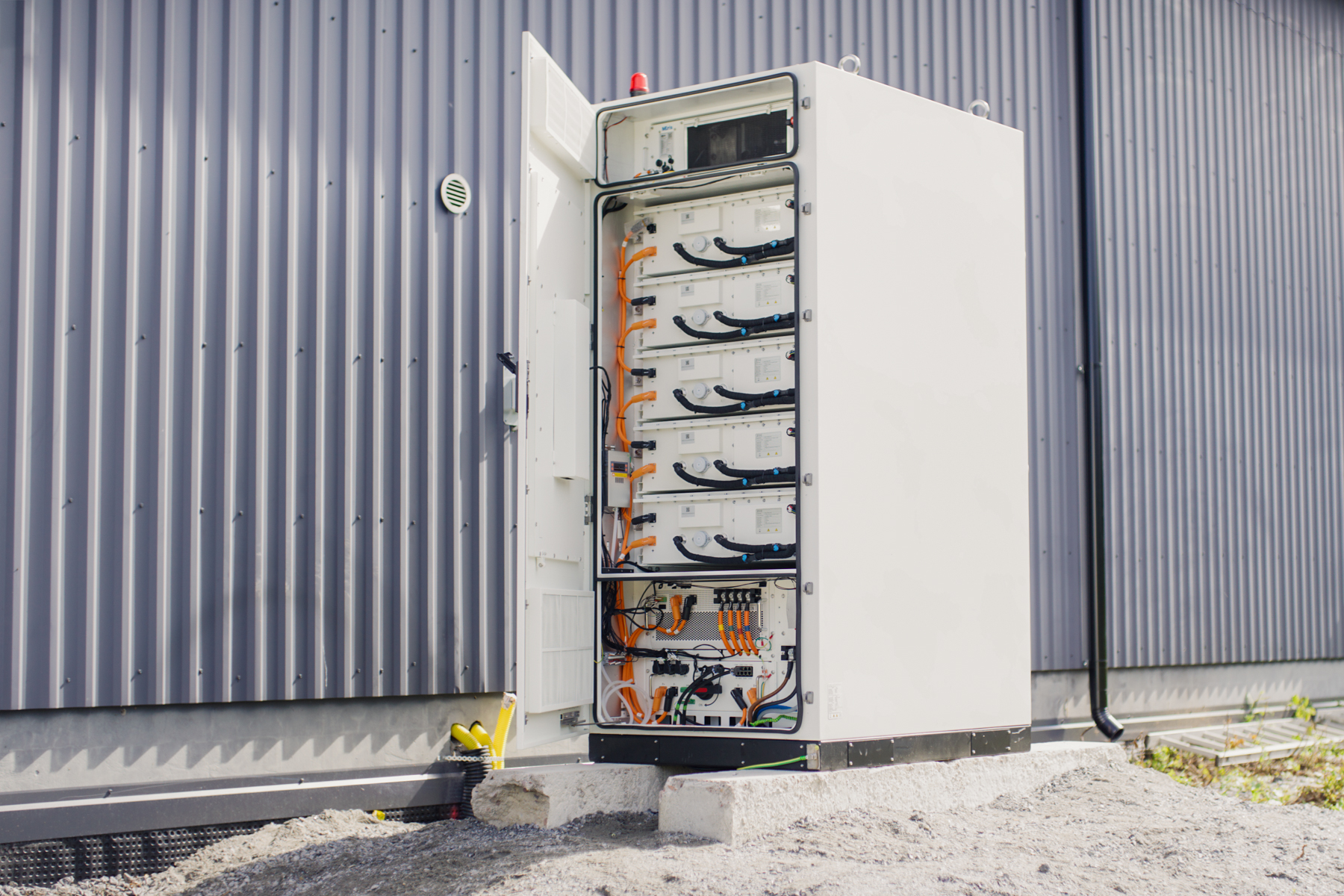
Emaldo C&I BESS
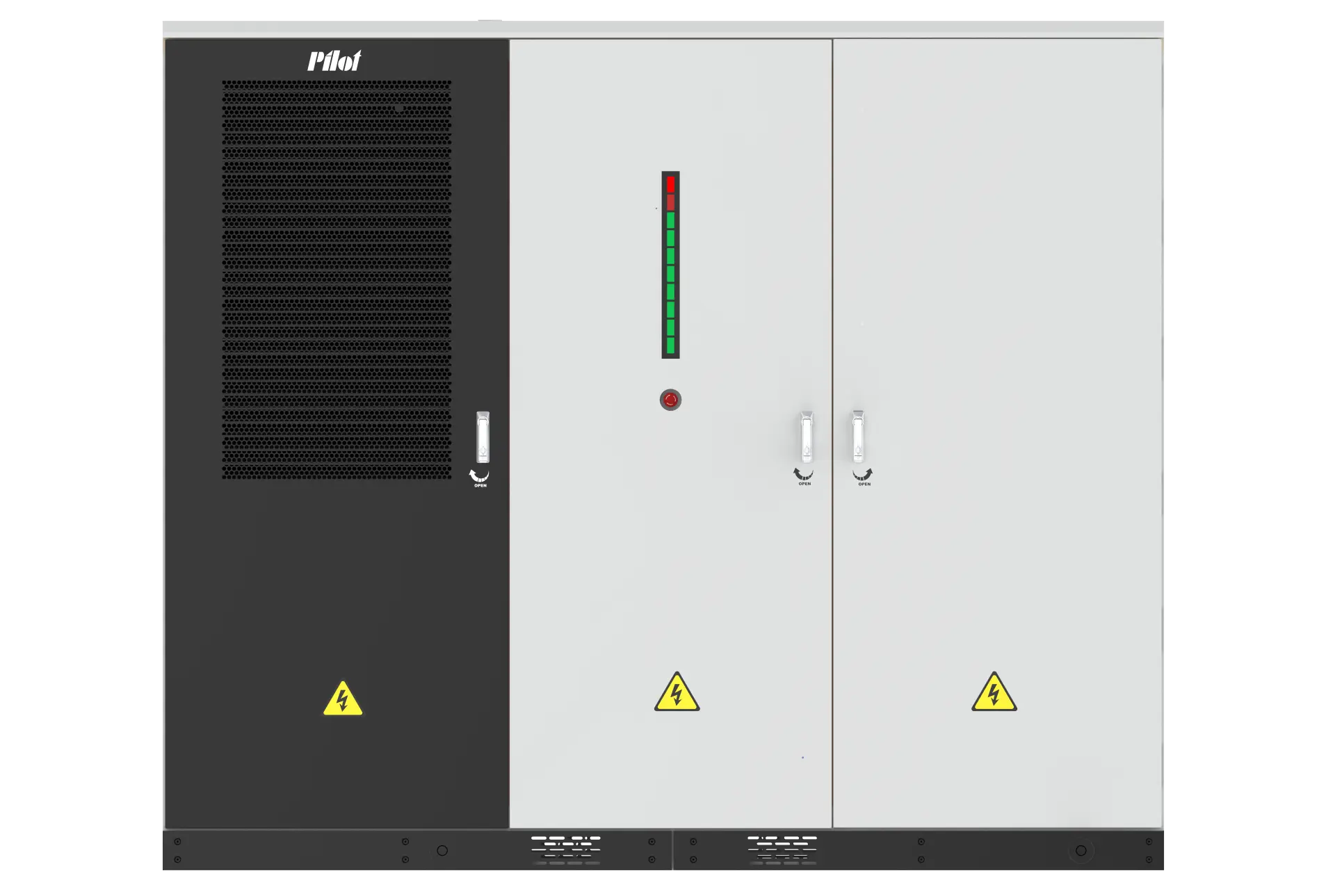
Emaldo’s range extends from compact 100 kW all-in-one systems to 836 kWh industrial solutions. Watti sizes the power, capacity and controls to match the site’s consumption profile.
100 kW / 209 kWh
A compact all-in-one solution for commercial premises, mid-sized business sites and emergency backup power.
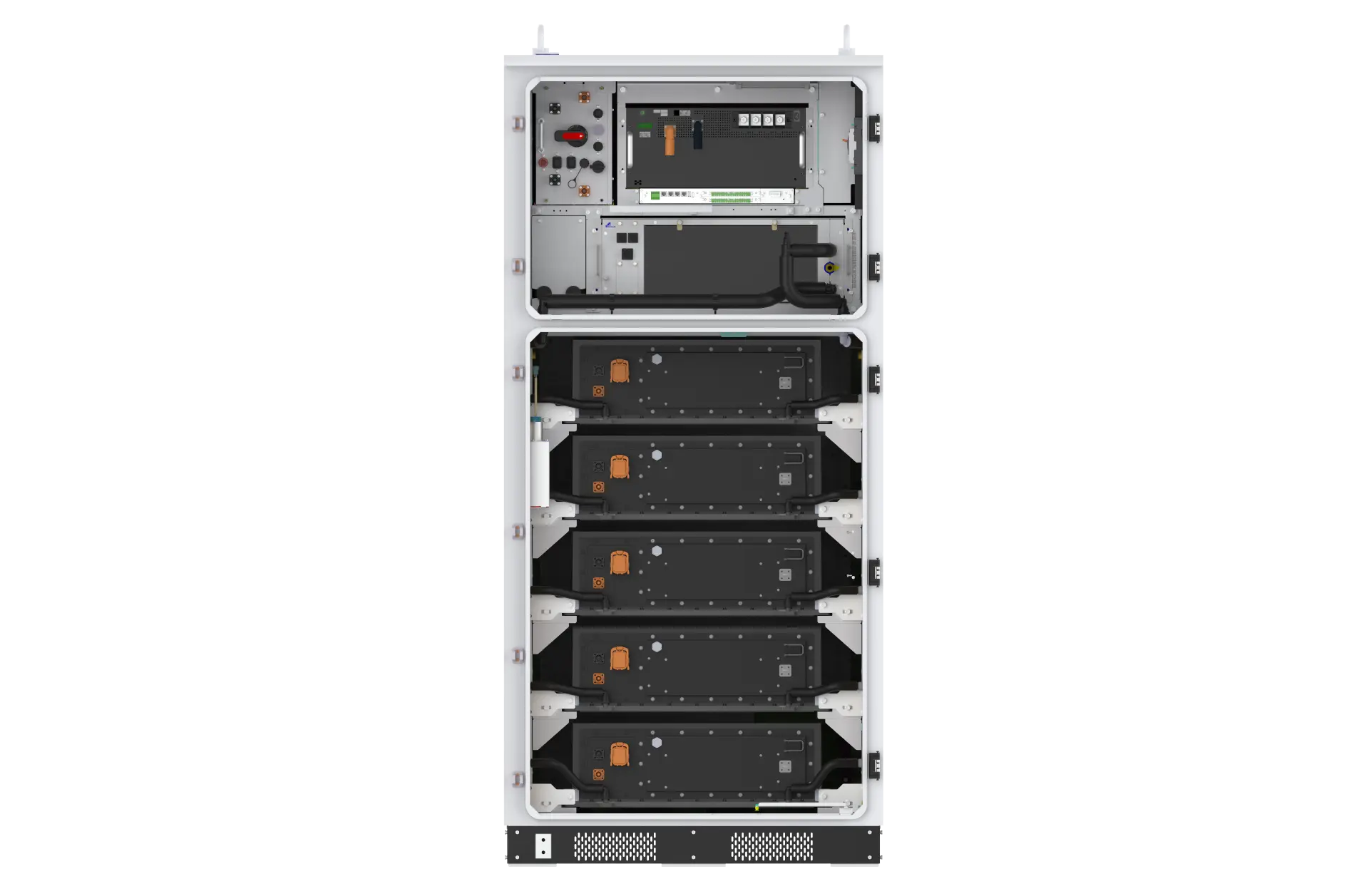
125 kW / 261 kWh
Liquid-cooled C&I energy storage for peak shaving, backup power and renewable energy utilisation.
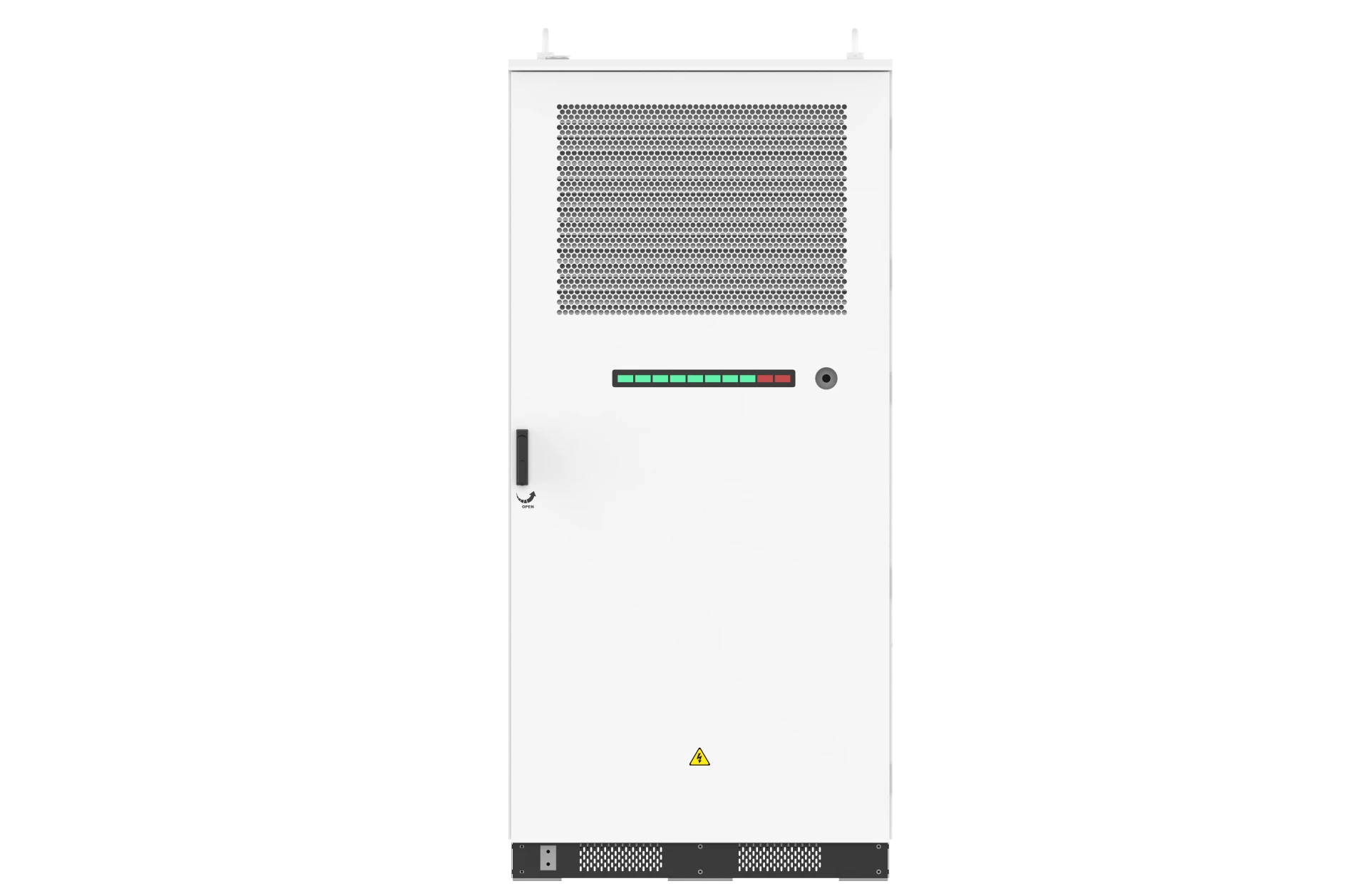
125 kW / 261 kWh + 100 kW PV
Integrated battery, solar PV and backup power solution for high-consumption businesses and farms.
250 or 400 kW / 836 kWh
High-capacity 400 V AC solution for demanding industrial, agricultural and infrastructure applications.
Savings calculator
Estimated demand charge savings, price arbitrage and payback period. Prices VAT 0 %.
Estimated annual benefit · VAT 0 %
10 148 €/v
We recommend: Emaldo PL-EL-100/209 · 100 kW / 209 kWh
Assumption: 250 cycles/year, discharge period 2 h, peak 121 kW, data: Esimerkkidata: FI-aluehinnat 10/2025–9/2026.
Request precise sizingSources: Caruna Oy price list 1.9.2024; Caruna Espoo 1.1.2026; Elenia large customer price list 1.4.2026 (product names inferred from the PDF, check the source); electricity tax from Elenia's 1.4.2026 price list. Helen Sähköverkko's business price list has not been verified: use 'Custom tariff'. Spot data: Nord Pool FI area prices (Elering, valitsesahko.fi), monthly average prices 10/2025–9/2026 and hourly profiles for January, April and July 2026 and October 2025, excluding VAT. Profiles for other months are derived from the nearest seasonal profile, so day-to-day variation is missing and the arbitrage estimate is a conservative lower bound. Prices are historical, not forecasts. Industry profiles are approximations, not measured data; actual peaks are often sharper. Reserve market revenues: Floor 55 000 €/MW/year and Tolling 75 000 €/MW/year (Watti, 8.10.2026), Market estimate varies (benchmark Clean Horizon Battery Index 2h). The model excludes load control, electricity storage tariffs offered by distribution network operators and financing costs. All prices VAT 0 %.
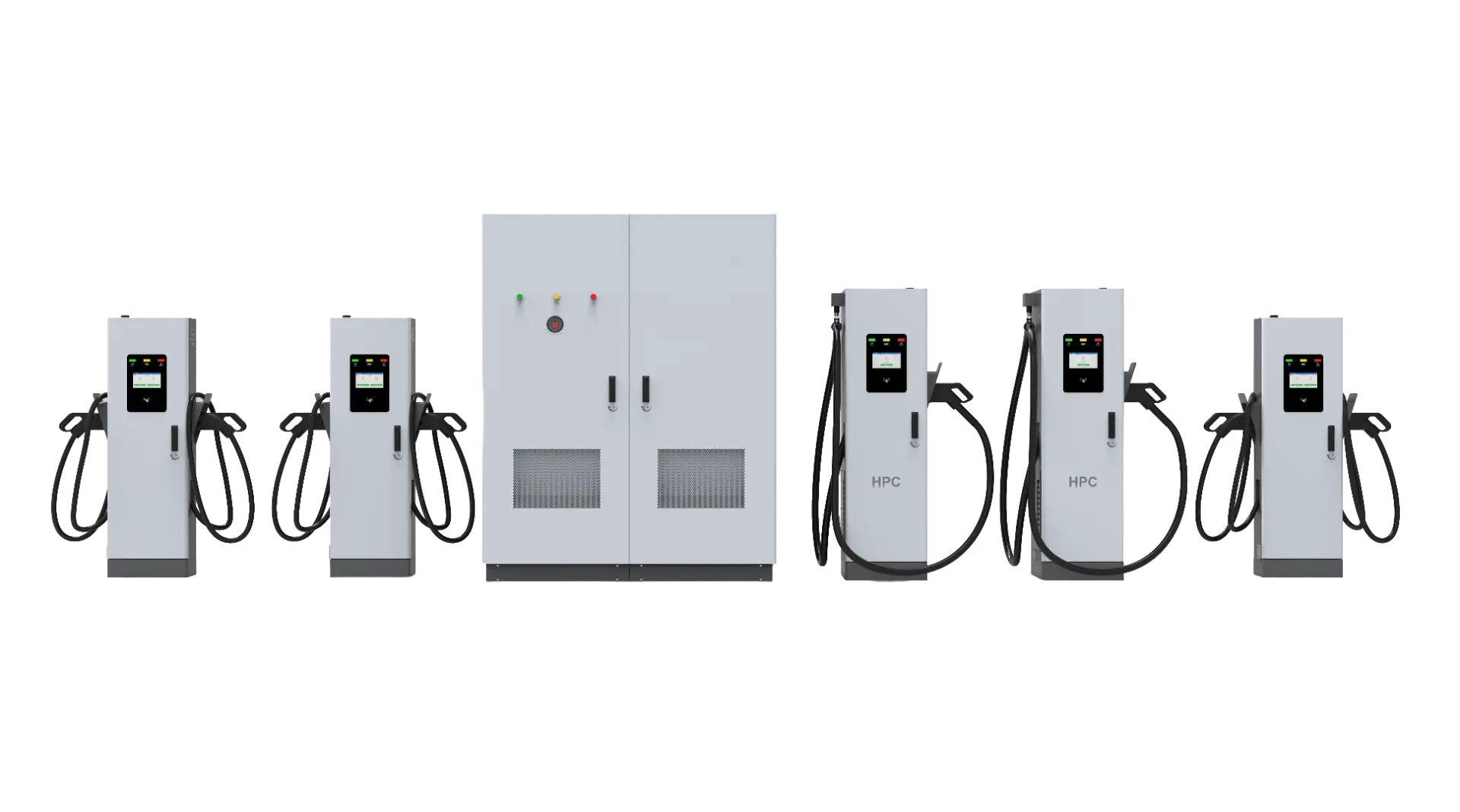
Emaldo EM-C240
Power where mobility needs it.
EM-C240 is a DC fast charger designed for commercial and public use, with power configurable from 60–240 kilowatts. It is suitable for vehicle fleets, charging stations, workplaces and public car parks.
When paired with Emaldo’s C&I energy storage, the battery smooths EM-C240 charging peaks and helps increase charging capacity within the limits of the existing grid connection.
Emaldo + CheckWatt
CheckWatt monetises battery capacity in reserve markets. Returns can prioritise market potential, a minimum guarantee or predictable payments.
Aims for the highest possible returns based on market conditions. Ideal for businesses comfortable with fluctuating yields.
Combines an agreed minimum return with the opportunity to capitalise on higher market yields.
Predictable, fixed compensation for businesses prioritising stability and financial certainty.
CheckWatt has operated in the Nordic countries since 2011 and manages services for over 15 000 battery systems. The final revenue model and estimate are always determined for each site based on market conditions.
The basics
A commercial battery storage or electrical storage system (BESS, Battery Energy Storage System) stores electricity and supplies it to site loads as controlled. A commercial and industrial C&I BESS can combine peak shaving, electricity price optimisation, solar storage, backup power and reserve markets into a single energy management system.
Sizing
Sizing starts with consumption data at a minimum of 15-minute intervals. Power (kW) indicates how large an instantaneous load the battery can cover. Capacity (kWh) indicates how long energy can be discharged. The correct ratio is determined by operational needs, not annual consumption alone.
The price or payback period of an energy storage system cannot be solved with a single generic euro figure. The estimate is influenced by tariffs, consumption profiles, battery operation strategy, efficiency, capital expenditure, and fluctuating market revenues, among other factors. Watti's calculator provides an initial estimate; the investment decision is made based on site-specific sizing.
Frequently asked questions
BESS stands for Battery Energy Storage System. It refers to battery storage along with its associated power electronics, controls, protective systems, and monitoring.
Power is stated in kilowatts (kW) and defines the instantaneous charge and discharge rate. Capacity is stated in kilowatt-hours (kWh) and indicates the amount of energy stored.
Yes, provided that control systems, technical prequalification, and available capacity allow it. The site's own operational needs and reliability are always prioritised in sizing.
Good baseline data includes 15-minute consumption data, an electricity bill with the distribution tariff, grid connection details, data on onsite generation, as well as upcoming loads and critical equipment.
Sources and updates
Content reviewed 8.10.2026. Market terms, tariffs and technical suitability are always checked for each site.
Knowledge hub
Knowledge hub
Select your sector or explore the energy challenge you want to solve.
Case studies
 Illustrative image
Tampere
Emaldo C&I energy storage, peak shaving
Power demand charges dropped by a third, avoiding a grid connection upgrade altogether.
Saves 28 000 €/year
 Illustrative image
Vantaa
Emaldo C&I battery storage and 8 charging points
The fleet is charged via the battery system without requiring a new transformer substation.
Saves 16 500 €/year